


When it comes to the manufacturing and packaging industry, especially in the realm of plastic bottle production, the high - speed capper plays a crucial role. As a supplier of Plastic Bottle High Speed Capper, I often receive inquiries about various aspects of these machines, and one question that frequently arises is whether a plastic bottle high - speed capper has a noise level limit.
Understanding the Plastic Bottle High - Speed Capper
Before delving into the noise level limits, it's important to understand what a plastic bottle high - speed capper is and how it functions. A Plastic Bottle High Speed Capper is a specialized machine designed to quickly and efficiently seal plastic bottles with caps. These machines are often used in high - volume production lines for beverages, pharmaceuticals, and other consumer products.
The capping process typically involves several steps, such as cap feeding, cap placement on the bottle, and the actual sealing or torque application. High - speed cappers are capable of processing hundreds or even thousands of bottles per hour, which involves rapid mechanical movements, motor operations, and sometimes pneumatic or hydraulic actions.
Sources of Noise in a Plastic Bottle High - Speed Capper
There are multiple sources of noise within a plastic bottle high - speed capper. Firstly, the mechanical components like gears, belts, and chains generate noise as they move and interact with each other. The continuous rotation and meshing of gears can produce a distinct humming or clicking sound, especially if there is wear and tear on the components.
Secondly, the motors that power the capper are another significant source of noise. Electric motors can produce a buzzing sound, and the intensity of the noise may vary depending on the motor's power, speed, and design. Pneumatic systems, if used in the capper, can also generate noise from the flow of compressed air through valves and cylinders.
Finally, the impact of the cap on the bottle during the capping process can create a sharp clicking or thumping noise. In high - speed operations, these repeated impacts can add up to a considerable amount of noise.
The Importance of Noise Level Limits
Noise can have several negative impacts on both the working environment and the overall production process. From a health and safety perspective, excessive noise can cause hearing loss, stress, and fatigue among workers. Prolonged exposure to high - level noise can lead to permanent damage to the auditory system, which is a serious occupational hazard.
In addition to health concerns, noise can also affect the efficiency of the production line. High - noise levels can make it difficult for workers to communicate effectively, leading to potential errors in operation and reduced productivity. Moreover, in some industrial settings, excessive noise may violate local environmental regulations, resulting in fines and legal issues for the manufacturing facility.
Existing Noise Level Limits and Standards
There are indeed noise level limits and standards in place for industrial machinery, including plastic bottle high - speed cappers. Different countries and regions may have their own specific regulations, but many follow international standards set by organizations such as the International Organization for Standardization (ISO).
For example, in industrial workplaces, the exposure limit values for noise are often set at 85 decibels (dB(A)) for an 8 - hour time - weighted average. This means that workers should not be exposed to an average noise level above 85 dB(A) over an 8 - hour workday. Some regions may have more stringent limits, especially in areas where noise pollution is a particular concern.
Manufacturers of plastic bottle high - speed cappers are required to ensure that their machines comply with these noise level limits. This involves implementing various noise - reduction technologies and design features during the manufacturing process.
Noise - Reduction Technologies in Plastic Bottle High - Speed Cappers
As a Plastic Bottle High Speed Capper supplier, we are committed to reducing the noise levels of our machines. One of the common noise - reduction techniques is the use of sound - absorbing materials. These materials can be installed around the noisy components of the capper, such as the motors and mechanical parts, to dampen the sound waves and reduce the overall noise emission.

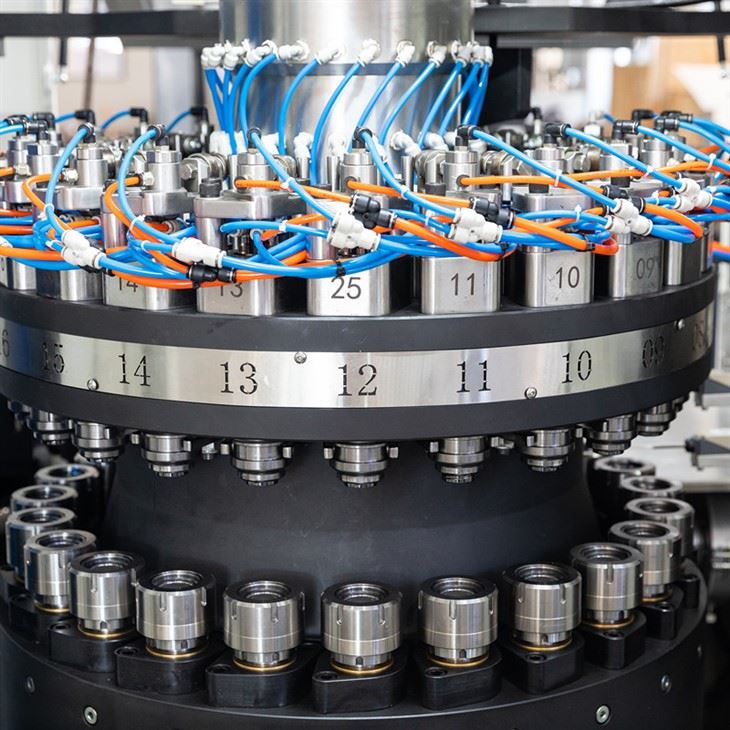
Another approach is the optimization of the machine's design. By using precision - engineered components and ensuring smooth mechanical movements, the amount of noise generated during operation can be significantly reduced. For example, we use high - quality gears and bearings that are designed to minimize friction and vibration, which in turn reduces noise.
Furthermore, the use of advanced control systems can also help in reducing noise. These systems can adjust the speed and operation of the capper based on the production requirements, ensuring that the machine operates at an optimal level where noise generation is minimized.
The Impact of Noise Level on the Choice of Capping Machine
When customers are selecting a plastic bottle high - speed capper, the noise level is an important factor to consider. In environments where workers are in close proximity to the capping machine, such as small - scale production facilities or clean rooms, a low - noise capper is highly desirable.
Even in larger manufacturing plants, a capper with lower noise levels can contribute to a more pleasant and productive working environment. It can also help the facility to comply with local environmental regulations more easily, avoiding potential legal issues and fines.
Comparing with Other Capping Machines in the Market
In the market, there are various types of capping machines available, such as High Speed Bottle Cap Sealing Machine, High Speed Cap Pressing Machine, and High Speed Capping Machine. Each type has its own characteristics in terms of noise level.
Our Plastic Bottle High Speed Capper is designed to be competitive in terms of noise reduction compared to other similar machines. Through continuous research and development, we have been able to integrate the latest noise - reduction technologies into our cappers, providing our customers with a quieter and more efficient solution.
Applications and Noise Considerations
The noise level of a plastic bottle high - speed capper can also have different implications depending on its application. For example, in pharmaceutical industries, where strict regulations regarding work environment and product quality are in place, a low - noise capper is essential. In addition, in the production of sensitive products such as high - end cosmetics or nutraceuticals, the use of a quiet capper can help to maintain a clean and undisturbed production environment.
On the other hand, in industries like the production of mineral water, where large - scale production is common, the capper needs to be not only high - speed but also have relatively low noise levels. Our Mineral Water Bottle Capping Machine is specifically designed to meet these requirements, providing a solution that balances high - speed production with low noise operation.
Conclusion and Call to Action
In conclusion, a plastic bottle high - speed capper does have noise level limits, and these limits are determined by both health and safety considerations and environmental regulations. As a responsible Plastic Bottle High Speed Capper supplier, we understand the importance of noise reduction and have taken various measures to ensure that our machines meet or exceed the required standards.
If you are in the market for a plastic bottle high - speed capper and are concerned about noise levels, we invite you to contact us for a detailed discussion. Our team of experts can provide you with more information about our products, their noise - reduction features, and how they can meet your specific production needs. We look forward to working with you and helping you find the perfect capping solution for your business.
References
- ISO standards related to industrial noise exposure.
- Occupational safety and health regulations on noise in different countries.