


As a supplier of pet preform molds, I understand the challenges that come with maintaining these molds in top - notch condition. One of the most persistent problems is the presence of residual plastic in the pet preform mold. Removing this plastic efficiently is crucial for the longevity of the mold and the quality of the preforms produced. In this blog, I will share some effective methods on how to remove residual plastic from a pet preform mold.
Understanding the Problem of Residual Plastic in Pet Preform Molds
Before diving into the removal methods, it's essential to understand why residual plastic builds up in pet preform molds. During the injection molding process, plastic is injected into the mold cavity at high pressure and temperature. Over time, small amounts of plastic can adhere to the mold surface due to factors such as improper mold release, high - temperature degradation of plastic, or wear and tear on the mold surface. This residual plastic can cause defects in the preforms, such as poor surface finish, dimensional inaccuracies, and even mold blockages.
Manual Cleaning Methods
One of the most straightforward ways to remove residual plastic is through manual cleaning. This method is suitable for small - scale operations or for removing minor plastic residues.
-
Mechanical Scraping
Using tools like plastic scrapers or wooden sticks, you can gently scrape off the plastic residues from the mold surface. The key here is to be extremely careful not to scratch the mold surface, as even minor scratches can affect the quality of the preforms. Start from the edges of the plastic residue and work your way towards the center. -
Brushing
Soft - bristle brushes can be used to remove loose plastic particles. A nylon or brass brush can be effective in dislodging small pieces of plastic that are not firmly adhered to the mold. Make sure to brush in the direction that is least likely to cause damage to the mold's surface features, such as the cavity walls or the gate area.
Chemical Cleaning Methods
Chemical cleaning is often more effective for removing stubborn plastic residues. However, it requires careful handling of chemicals to ensure the safety of the operators and the integrity of the mold.
-
Solvent Cleaning
Certain solvents can dissolve the residual plastic. For example, some types of acetone or methyl ethyl ketone (MEK) are known to work well with specific plastics. Before using any solvent, it's crucial to test it on a small, inconspicuous area of the mold to ensure that it does not cause any damage. Soak a clean cloth or a sponge in the solvent and gently wipe the affected areas. You may need to repeat this process several times until the plastic residue is completely removed. -
Chemical Degradation Agents
There are also specialized chemical agents available in the market that are designed to break down plastic. These agents are often applied to the mold surface and left for a specific period to allow them to react with the plastic. After the reaction time, the softened plastic can be easily wiped or rinsed off. However, these chemicals can be quite harsh, so always follow the manufacturer's instructions carefully.
Thermal Cleaning Methods
Thermal cleaning involves using heat to remove residual plastic from the pet preform mold.
-
Oven Baking
Place the mold in an oven at a carefully controlled temperature. The heat causes the plastic to degrade and become brittle, making it easier to remove. However, it's important to know the maximum temperature that the mold can withstand without being damaged. Usually, this method is more suitable for molds made of high - heat - resistant materials. After baking, the mold should be allowed to cool down slowly before manual removal of the loosened plastic. -
Flame Cleaning
Flame cleaning is a more aggressive thermal method. A controlled flame is passed over the mold surface to burn off the plastic. This method should only be performed by experienced operators, as incorrect use of the flame can damage the mold. Additionally, proper ventilation is necessary to avoid inhaling the fumes produced during the burning process.
Ultrasonic Cleaning
Ultrasonic cleaning is a modern and efficient way to remove residual plastic from pet preform molds. In this process, the mold is immersed in a cleaning solution, and ultrasonic waves are applied. These waves create high - frequency vibrations in the liquid, which generate tiny bubbles. When these bubbles collapse near the mold surface, they create a powerful scrubbing action that can remove even the most stubborn plastic residues. The advantage of ultrasonic cleaning is that it can reach into small crevices and hard - to - reach areas of the mold.
Preventive Measures
While knowing how to remove residual plastic is important, taking preventive measures can significantly reduce the occurrence of this problem.
-
Proper Mold Release Agents
Using high - quality mold release agents can prevent plastic from adhering to the mold surface in the first place. There are different types of mold release agents available, such as silicone - based and fluoropolymer - based products. Choose the one that is compatible with the type of plastic you are using and the mold material. -
Regular Maintenance
Perform regular inspections of the mold to detect any signs of plastic buildup early. Clean the mold after a certain number of production cycles, even if there are no visible signs of residue. This can prevent the plastic from sticking firmly to the mold surface over time.
Importance of Proper Cleaning in the Business Context
As a pet preform mold supplier, I know that the performance of the molds directly affects our customers' production efficiency and product quality. A mold that is contaminated with residual plastic can lead to production delays, increased reject rates, and additional costs for re - work. By providing our customers with effective methods to remove residual plastic, we are helping them maintain their production lines smoothly.
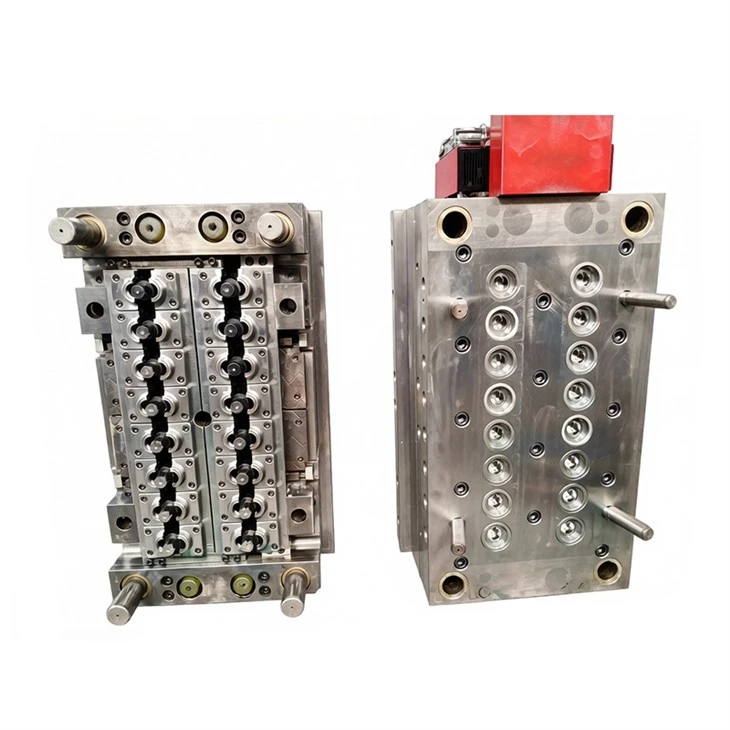
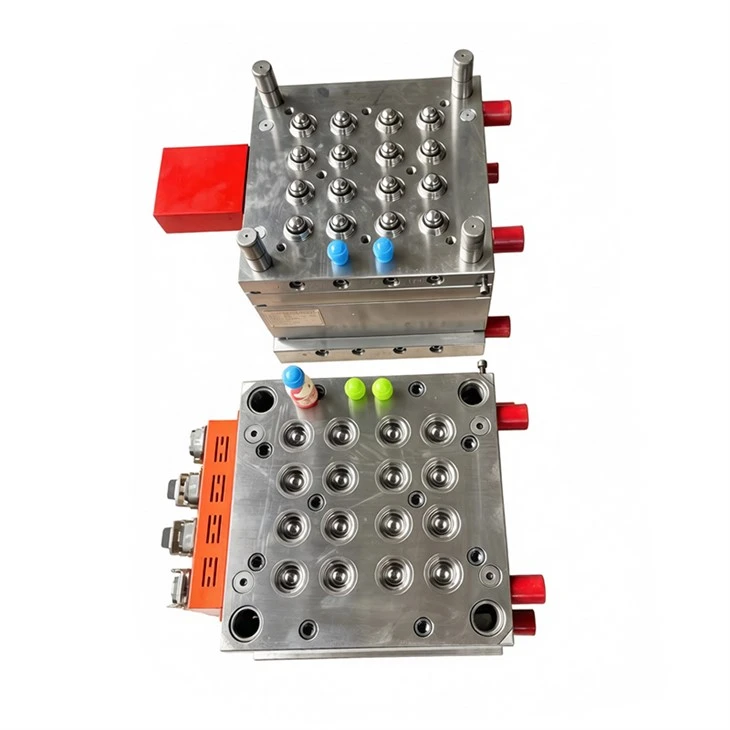
If you are in the market for high - quality pet preform molds, we offer a wide range of products, including Pet Bottle Preform Mould, Mineral Water Bottle Preform Mould, Cosmetic Preform Injection Mold, Bottle Preform Mold, and Jar Preform Mould. Our molds are designed to be durable and easy to maintain, ensuring that you can achieve optimal production results.
We understand that every customer's needs are unique, and we are committed to providing customized solutions. If you are interested in our products or need more information on pet preform mold maintenance, please feel free to contact us to discuss your requirements. We look forward to working with you to enhance your production capabilities.
References
- Injection Molding Handbook - By O. Olajide
- Plastics Processing Technology - A comprehensive guide
- Mold Maintenance Best Practices - Industry whitepapers