


Controlling the mold temperature in a plastic bottle mold is a critical aspect of the plastic bottle manufacturing process. As a plastic bottle mold supplier, I have witnessed firsthand the impact that proper mold temperature control can have on the quality, efficiency, and cost - effectiveness of production. In this blog, I will share insights on how to effectively control the mold temperature in a plastic bottle mold.
Importance of Mold Temperature Control
Before delving into the methods of controlling mold temperature, it's essential to understand why it matters. The mold temperature significantly affects the plastic's flow behavior, cooling rate, and shrinkage during the injection molding process. A well - controlled mold temperature ensures uniform wall thickness in the plastic bottles, reduces internal stresses, and minimizes defects such as warping, sink marks, and voids. It also improves the surface finish of the bottles, making them more aesthetically appealing. Additionally, optimizing the mold temperature can lead to shorter cycle times, increasing production efficiency and reducing costs.
Factors Affecting Mold Temperature
Several factors influence the mold temperature during the plastic bottle manufacturing process. The type of plastic resin used is a primary factor. Different plastics have different melting points, viscosities, and cooling requirements. For instance, high - density polyethylene (HDPE) has a different optimal mold temperature compared to polyethylene terephthalate (PET). Another factor is the injection molding machine's settings, including injection speed, pressure, and temperature. The design of the mold itself, such as the number and layout of cooling channels, also plays a crucial role in heat transfer and temperature distribution. The production environment, including ambient temperature and humidity, can further impact the mold temperature.
Methods of Controlling Mold Temperature
Cooling Channels
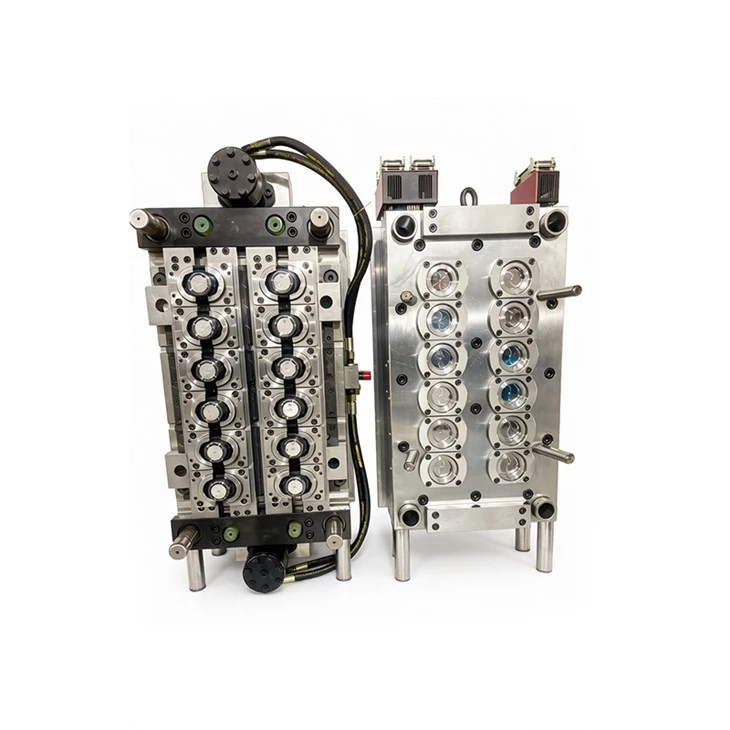
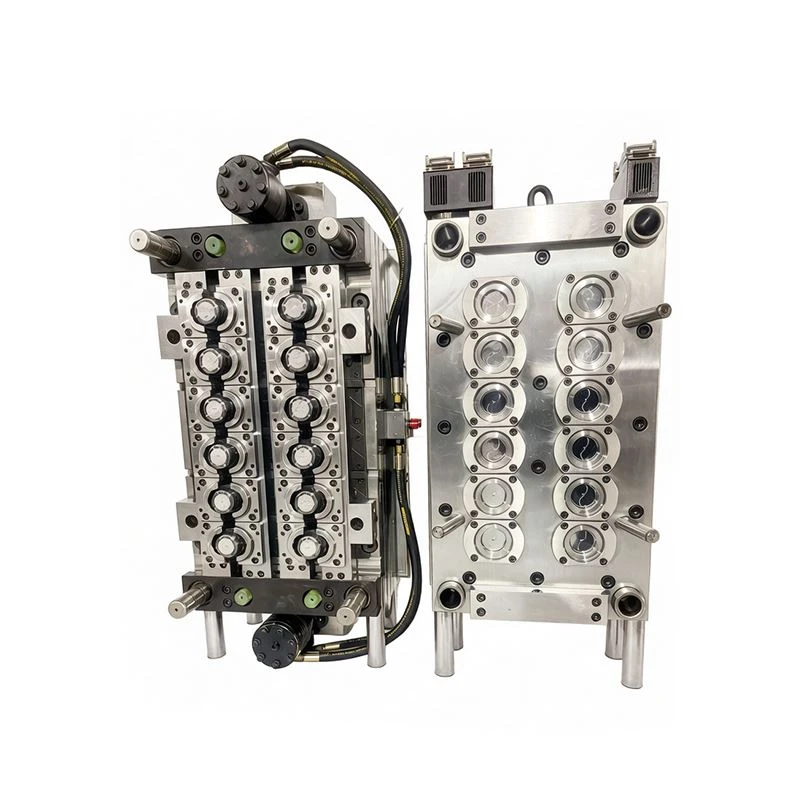
One of the most common methods of controlling mold temperature is through the use of cooling channels. These channels are typically drilled or milled into the mold and allow a cooling fluid, such as water or oil, to circulate. The cooling fluid absorbs heat from the mold, transferring it away and maintaining a consistent temperature. The design of the cooling channels is crucial for effective heat transfer. They should be evenly spaced and sized to ensure uniform cooling across the mold surface. For example, in a complex plastic bottle mold, the cooling channels may need to follow the contours of the bottle shape to provide consistent cooling in all areas.
Temperature Control Units (TCUs)
Temperature Control Units are used to regulate the temperature of the cooling fluid. They can heat or cool the fluid as needed to maintain the desired mold temperature. TCUs are equipped with sensors that monitor the fluid temperature and adjust the heating or cooling elements accordingly. For a plastic bottle mold, the TCU can be set to maintain a specific temperature range, ensuring that the mold temperature remains stable throughout the production process. This is especially important when producing bottles with tight tolerances or when using plastics that are sensitive to temperature variations.
Insulation
Insulation can be used to reduce heat loss from the mold and improve temperature control. Insulating materials can be applied to the outer surface of the mold to minimize the transfer of heat to the surrounding environment. This helps to maintain a more consistent mold temperature and reduces the energy required to heat or cool the mold. For example, ceramic insulation can be used in high - temperature applications, while foam insulation may be suitable for lower - temperature molds.
Pre - heating
In some cases, pre - heating the mold is necessary, especially when using plastics with high melting points or when the ambient temperature is too low. Pre - heating the mold can help to ensure proper plastic flow and reduce the time required for the plastic to reach the desired temperature within the mold. This can be achieved using external heating elements, such as electric heaters or induction heating systems. Once the mold reaches the optimal temperature, the injection molding process can begin, leading to better - quality plastic bottles.
Monitoring and Adjusting Mold Temperature
Regular monitoring of the mold temperature is essential to ensure that it remains within the desired range. Temperature sensors can be installed at various points in the mold to provide real - time temperature data. This data can be used to adjust the cooling fluid flow rate, temperature, or other parameters as needed. For example, if the temperature sensor indicates that a particular area of the mold is too hot, the flow rate of the cooling fluid in that area can be increased. Advanced monitoring systems can also provide historical temperature data, allowing manufacturers to analyze trends and make more informed decisions about mold temperature control.
Application in Different Plastic Bottle Molds
Edible Oil PET Preform Mould
In the production of Edible Oil PET Preform Mould, precise mold temperature control is crucial. PET has a relatively high melting point, and maintaining the right mold temperature during the injection molding process ensures that the preforms are of high quality. The cooling rate needs to be carefully controlled to prevent the formation of internal stresses, which could lead to preform deformation during the blowing process. A properly maintained mold temperature also helps to achieve a smooth surface finish, which is important for the subsequent filling and labeling of the edible oil bottles.
Mineral Water Bottle Cap Mould
For Mineral Water Bottle Cap Mould, the mold temperature affects the cap's dimensional accuracy and sealing performance. A consistent mold temperature ensures that the caps have the correct thread pitch and diameter, allowing for a proper fit on the bottles. The cooling process should be optimized to prevent warping or shrinkage of the caps, which could compromise the seal and lead to leakage. By controlling the mold temperature, manufacturers can produce high - quality bottle caps that meet the strict requirements of the beverage industry.
Carbonated Beverage Preform Mold
In the case of Carbonated Beverage Preform Mold, the mold temperature has a significant impact on the preform's ability to withstand the internal pressure of the carbonated beverage. The plastic used in carbonated beverage preforms needs to have a certain degree of crystallinity, which is influenced by the mold temperature. A well - controlled mold temperature during injection molding helps to achieve the right balance of crystallinity, ensuring that the preforms can be blown into bottles that can safely contain the carbonated liquid without bursting or deforming.
Engine Oil Bottle Mould
When it comes to Engine Oil Bottle Mould, the mold temperature affects the bottle's chemical resistance and durability. Engine oil is a harsh substance, and the plastic bottle needs to be able to withstand its corrosive effects. The mold temperature during the manufacturing process can influence the molecular structure of the plastic, which in turn affects its chemical properties. By controlling the mold temperature, manufacturers can produce engine oil bottles that are resistant to oil penetration and degradation over time.
Conclusion
Controlling the mold temperature in a plastic bottle mold is a complex but essential task for producing high - quality plastic bottles. By understanding the factors that affect mold temperature, implementing appropriate control methods, and continuously monitoring and adjusting the temperature, manufacturers can improve the quality, efficiency, and cost - effectiveness of their production processes. As a plastic bottle mold supplier, we are committed to providing our customers with molds that are designed for optimal temperature control. If you are interested in purchasing plastic bottle molds or have any questions about mold temperature control, we encourage you to contact us to discuss your specific requirements. We look forward to the opportunity to help you improve your plastic bottle manufacturing process.
References
- Throne, J. L. (1996). Injection Molding Handbook. Marcel Dekker.
- Osswald, T. A., & Turng, L. - S. (2007). Injection Molding Handbook. Hanser Publishers.
- Rosato, D. V., Rosato, D. V., & Rosato, M. G. (2000). Injection Molding Handbook. John Wiley & Sons.