


In the dynamic world of packaging, the question of whether a high - speed capping machine can work with bottles with heat - shrink caps is a critical one. As a supplier of High Speed Capping Machine, I've encountered this query numerous times from clients across various industries. In this blog, I'll delve into the technical aspects, challenges, and possibilities of using high - speed capping machines with heat - shrink caps.
Understanding High Speed Capping Machines
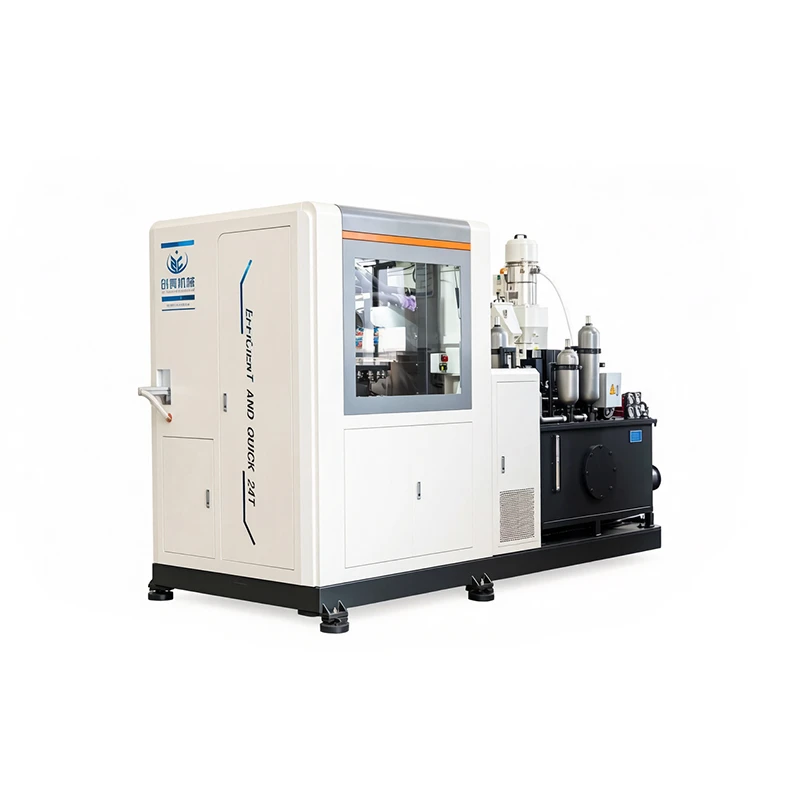
High speed capping machines are designed to cap bottles at a rapid pace, often hundreds or even thousands of bottles per hour. These machines come in different types, such as High Speed Cap Pressing Machine, Mineral Water Bottle Capping Machine, Plastic Bottle High Speed Capper, and High Speed Bottle Cap Sealing Machine. Each type is tailored to specific bottle and cap characteristics, but they all share the common goal of efficient and reliable capping.
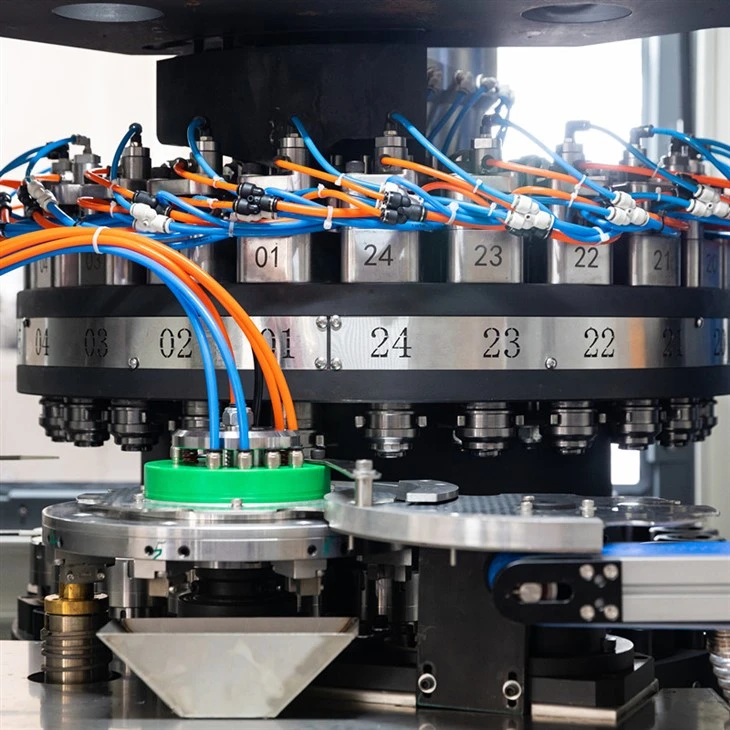
The working principle of a high - speed capping machine typically involves feeding caps to the bottles, positioning the caps accurately on the bottle necks, and then applying the necessary force to secure the caps in place. The process is automated and highly precise, which is crucial for maintaining the quality and consistency of the capping operation.
Heat - Shrink Caps: A Unique Packaging Solution
Heat - shrink caps are a popular choice for packaging various products, especially in the food, beverage, and pharmaceutical industries. These caps are made of a plastic material that shrinks when heated, creating a tight seal around the bottle neck. The advantage of heat - shrink caps is that they provide a tamper - evident seal, which enhances product safety and consumer confidence.
The application of heat - shrink caps usually involves a separate heat - shrinking process after the cap is placed on the bottle. This process can be carried out using a heat tunnel or a steam shrinkage system, which applies heat evenly to the cap to make it shrink and conform to the shape of the bottle neck.
Compatibility of High Speed Capping Machines with Heat - Shrink Caps
The compatibility of high - speed capping machines with heat - shrink caps depends on several factors. Firstly, the design of the capping machine must be able to handle the specific characteristics of heat - shrink caps. For example, the cap feeding system should be able to orient and deliver the heat - shrink caps accurately to the bottle necks.
Secondly, the capping mechanism needs to be adjusted to ensure that the caps are placed on the bottles correctly before the heat - shrinking process. This may require modifications to the capping heads or the use of specialized tools to handle the heat - shrink caps.
In some cases, a standard high - speed capping machine may need to be customized to work with heat - shrink caps. This could involve changing the cap feeding system, adjusting the capping pressure, or integrating a heat - shrinking unit into the capping machine.
Challenges in Using High Speed Capping Machines with Heat - Shrink Caps
One of the main challenges in using high - speed capping machines with heat - shrink caps is the heat - shrinking process itself. The heat - shrinking process needs to be carefully controlled to ensure that the caps shrink evenly and form a tight seal without damaging the bottles or the product inside.
Another challenge is the speed of the capping operation. High - speed capping machines are designed to work at a fast pace, but the heat - shrinking process may require a certain amount of time to ensure proper shrinkage. This means that the overall production speed may be affected, and a balance needs to be struck between speed and quality.
Additionally, the quality of the heat - shrink caps can also affect the performance of the capping machine. If the caps are not of consistent quality, it may lead to issues such as misaligned caps or incomplete shrinkage.
Solutions and Best Practices
To overcome the challenges of using high - speed capping machines with heat - shrink caps, several solutions and best practices can be implemented. Firstly, it is important to choose a high - quality heat - shrink cap supplier. This ensures that the caps are of consistent quality and have the right properties for the heat - shrinking process.
Secondly, the capping machine should be properly calibrated and maintained. Regular maintenance can help to ensure that the machine is working at its optimal performance and can reduce the risk of breakdowns or malfunctions.
Thirdly, the heat - shrinking process should be carefully optimized. This may involve adjusting the temperature, speed, and duration of the heat - shrinking process to achieve the best results.
Finally, it is recommended to conduct thorough testing before implementing the capping process on a large scale. This can help to identify any potential issues and make the necessary adjustments to ensure a smooth and efficient production process.
Conclusion
In conclusion, a high - speed capping machine can work with bottles with heat - shrink caps, but it requires careful consideration of the machine's design, the characteristics of the heat - shrink caps, and the heat - shrinking process. By addressing the challenges and implementing the appropriate solutions and best practices, it is possible to achieve a high - quality and efficient capping operation.
If you are interested in using a high - speed capping machine for your heat - shrink cap packaging needs, I encourage you to contact us for more information. Our team of experts can provide you with detailed guidance and support to help you find the best solution for your specific requirements. We look forward to discussing your project and working with you to achieve your packaging goals.
References
- Packaging Machinery Handbook, 3rd Edition
- Industry reports on high - speed capping machines and heat - shrink cap technology