


Can a high - speed capping machine work continuously for a long time?
As a supplier of high - speed capping machines, I often receive inquiries from customers about the continuous operation ability of these machines. This is a crucial concern for many businesses, especially those in industries with high - volume production requirements, such as the beverage, pharmaceutical, and cosmetic sectors. In this blog, I will delve into the factors that determine whether a high - speed capping machine can work continuously for a long time and share some insights based on our experience in the industry.
Understanding High - Speed Capping Machines
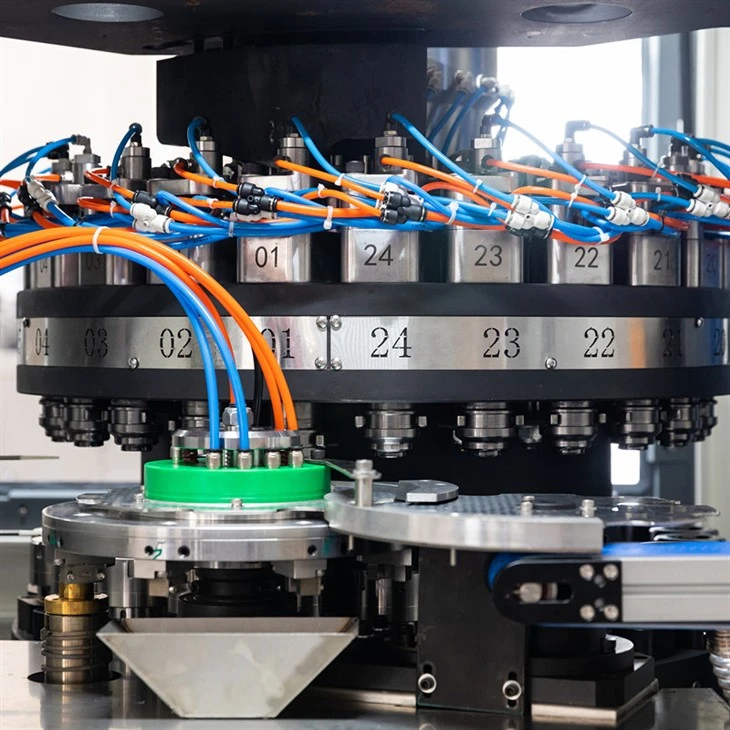
Before discussing the continuous operation aspect, it's essential to understand what high - speed capping machines are. High - speed capping machines are designed to cap bottles or containers at a rapid pace. They can handle a large number of containers per minute, significantly increasing production efficiency. There are different types of high - speed capping machines, including the High Speed Bottle Cap Sealing Machine, Plastic Bottle High Speed Capper, High Speed Cap Pressing Machine, and Mineral Water Bottle Capping Machine. Each type is tailored to specific capping requirements, such as different bottle shapes, cap types, and production volumes.
Factors Affecting Continuous Operation
Machine Design and Build Quality
The design and build quality of a high - speed capping machine play a vital role in its ability to work continuously. A well - designed machine will have a robust structure that can withstand the mechanical stress and vibrations generated during high - speed operation. High - quality materials are used in the construction of critical components, such as the capping heads, conveyor belts, and drive systems. For example, the capping heads are often made of high - grade stainless steel or other durable alloys to ensure long - term wear resistance. Additionally, a good design will incorporate features that facilitate easy maintenance and quick replacement of parts, which is essential for minimizing downtime during continuous operation.
Cooling and Lubrication Systems
Continuous operation generates heat, and excessive heat can damage the machine's components and reduce its performance. Therefore, an effective cooling system is crucial for high - speed capping machines. Some machines are equipped with air - cooling or water - cooling systems to dissipate heat and keep the temperature within an acceptable range. Lubrication is also essential to reduce friction between moving parts and prevent premature wear. Proper lubrication ensures smooth operation and extends the lifespan of the machine. Regular maintenance of the cooling and lubrication systems is necessary to ensure their effectiveness.
Control Systems and Automation
Modern high - speed capping machines are often equipped with advanced control systems and automation features. These systems can monitor and adjust various parameters, such as capping torque, speed, and cap placement, in real - time. Automation reduces the need for manual intervention, which not only improves efficiency but also reduces the risk of human error. For example, an automated system can detect if a cap is not properly placed or if there is a problem with the capping process and take corrective action immediately. This helps to maintain consistent quality during continuous operation.
Quality of Input Materials
The quality of the bottles, caps, and other input materials used in the capping process can also affect the machine's ability to work continuously. If the bottles are not of uniform size or shape, or if the caps have defects, it can cause jams or misalignments in the capping machine. This can lead to downtime and reduced production efficiency. Therefore, it is important to use high - quality input materials that meet the specifications of the capping machine.
Benefits of Continuous Operation
If a high - speed capping machine can work continuously for a long time, it offers several benefits to businesses. Firstly, it significantly increases production output. In industries where large volumes of products need to be capped quickly, continuous operation allows for a higher number of bottles to be capped per hour, which can lead to increased revenue. Secondly, it reduces labor costs. Since the machine can operate without constant manual supervision, fewer workers are needed to manage the capping process. This also reduces the risk of human - related errors and improves overall product quality.
Challenges and Solutions
Despite the potential benefits, there are also some challenges associated with continuous operation of high - speed capping machines. One of the main challenges is wear and tear on the machine's components. Over time, the constant movement and stress can cause parts to wear out, which may lead to breakdowns and downtime. To address this issue, regular maintenance and replacement of worn - out parts are necessary. This includes scheduled inspections, lubrication, and calibration of the machine.

Another challenge is the need for a stable power supply. High - speed capping machines require a significant amount of power to operate, and any power fluctuations or outages can disrupt the production process. To ensure a stable power supply, businesses can invest in backup power generators or use power conditioning equipment.
Case Studies
To illustrate the feasibility of continuous operation, let's look at some case studies. In a large beverage factory, a High Speed Capping Machine was installed to cap mineral water bottles. The machine was designed to operate continuously for 24 hours a day, 7 days a week. Through proper maintenance, including regular cleaning, lubrication, and replacement of worn - out parts, the machine was able to maintain a high level of performance and reliability. The factory was able to increase its production output by 30% compared to the previous manual capping process, and the overall product quality also improved.
In a pharmaceutical company, a high - speed cap pressing machine was used to cap medicine bottles. The machine was equipped with an advanced control system that monitored the capping process in real - time. This allowed for immediate detection and correction of any issues, ensuring consistent quality during continuous operation. The company was able to meet its production targets and reduce the number of defective products.
Conclusion
In conclusion, a high - speed capping machine can work continuously for a long time if it is properly designed, maintained, and operated. The key factors include machine design and build quality, cooling and lubrication systems, control systems and automation, and the quality of input materials. Continuous operation offers significant benefits, such as increased production output and reduced labor costs. However, it also presents some challenges, such as wear and tear on components and the need for a stable power supply. By addressing these challenges through proper maintenance and investment in supporting equipment, businesses can achieve reliable and efficient continuous operation of their high - speed capping machines.
If you are interested in learning more about our high - speed capping machines or have any questions regarding their continuous operation, please feel free to contact us for a detailed discussion. We are committed to providing you with the best solutions for your capping needs.
References
- Industry reports on high - speed capping machines
- Manufacturer's manuals and technical specifications
- Case studies from various industries using high - speed capping machines