


Petri dishes are a staple in microbiology labs, serving as a medium for cultivating various microorganisms, including molds. As a supplier of Petri Dish Mould, I often get asked about the ideal temperature range for mold growth in these dishes. This blog post aims to shed light on the matter, integrating scientific knowledge with practical insights for laboratory settings.
Understanding Mold Growth in Petri Dishes
Molds are a type of fungi that can grow under a wide range of environmental conditions. Their growth on Petri dishes is closely monitored in microbiology studies, as it helps in research on decomposition, pathogenesis, and the production of bioactive compounds. The growth of mold in a Petri dish depends on several factors, including nutrients, humidity, pH, and most importantly, temperature.
The Role of Temperature in Mold Growth
Temperature affects the rate of mold growth by influencing metabolic processes. Enzymatic reactions, which are fundamental to mold growth and reproduction, are highly temperature - sensitive. At the right temperature, these enzymes function optimally, promoting faster spore germination, hyphal extension, and mycelium development.
Ideal Temperature Range for Mold Growth in Petri Dishes
Most common molds thrive in a temperature range of 20°C - 30°C (68°F - 86°F). This range is often considered the "sweet spot" for mold growth due to the following reasons:
- Enzyme Activity: Within this temperature range, the enzymes responsible for processes such as nutrient uptake and digestion operate efficiently. This allows molds to utilize the available nutrients in the agar of the Petri dish effectively, leading to robust growth.
- Cellular Processes: The overall cellular activities of molds, including DNA replication, protein synthesis, and cell division, are optimized. This results in the rapid formation of colonies, which can be easily observed and studied in a laboratory setting.
However, different species of molds may have specific temperature requirements. For instance:
- Psychrophilic Molds: These molds can grow at cold temperatures, typically between 0°C - 20°C (32°F - 68°F). They are often found in refrigerated environments and can cause spoilage of stored food. In a laboratory, if you are studying such molds in a Petri dish, maintaining a lower temperature is crucial.
- Thermophilic Molds: Some molds can withstand and even thrive at elevated temperatures, usually between 45°C - 60°C (113°F - 140°F). These molds are less common but are important in certain industrial and ecological research.
Practical Considerations for Maintaining the Right Temperature
In a laboratory setting, maintaining the ideal temperature for mold growth in Petri dishes is essential. Here are some practical tips:
- Incubators: Incubators are the most common tool for controlling the temperature in a microbiology lab. They can be set to maintain a specific temperature within a narrow range, ensuring consistent mold growth. Make sure to calibrate the incubator regularly to ensure accurate temperature control.
- Monitoring: Use reliable temperature sensors to monitor the temperature inside the incubator. This helps in detecting any fluctuations and taking corrective measures promptly.
- Avoiding Temperature Shock: Sudden changes in temperature can stress the molds and affect their growth. When transferring Petri dishes between different temperature environments, do it gradually to prevent temperature shock.
Impact of Incorrect Temperatures on Mold Growth
If the temperature is too low, mold growth will slow down significantly. Enzyme activity decreases, and cellular processes become sluggish. This can lead to delayed or incomplete colony formation, making it difficult to conduct experiments in a timely manner.
On the other hand, if the temperature is too high, it can denature the enzymes and damage the cellular structures of the molds. This may result in stunted growth or even the death of the mold colonies.
Our Offerings as a Petri Dish Mould Supplier
As a leading supplier of Petri Dish Mould, we understand the importance of producing high - quality molds that can withstand the rigors of laboratory use. Our molds are made from premium materials, ensuring precise and consistent production of Petri dishes.
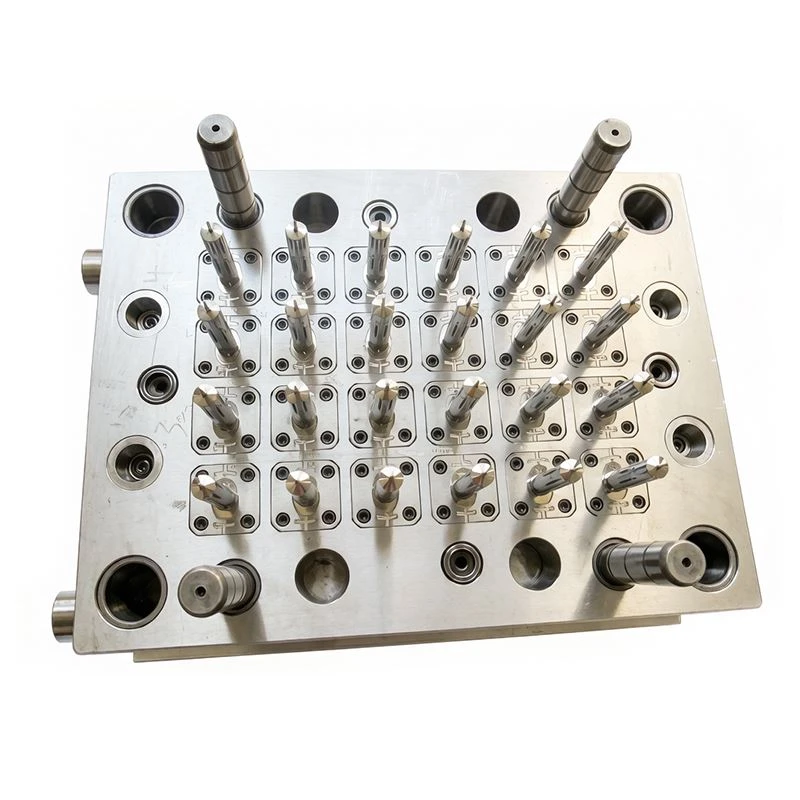
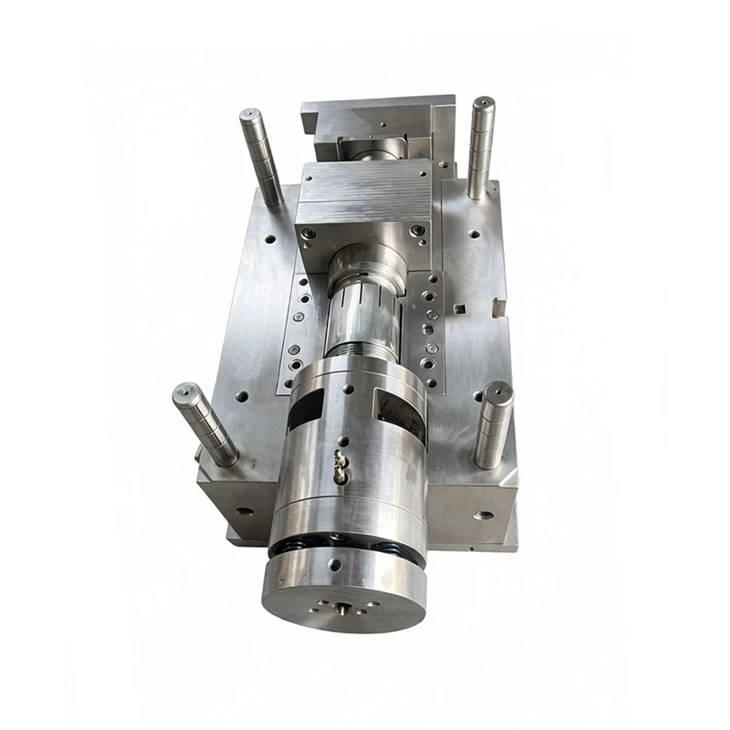
In addition to Petri dish molds, we also offer a wide range of Medical Mold products, such as Urine Container Mould, Coagulation Cup Mould, and Disposable Syringe Mould. These molds are designed to meet the strict quality standards of the medical and microbiology industries.
Conclusion and Call to Action
Understanding the ideal temperature range for mold growth in Petri dishes is crucial for microbiologists and researchers. Whether you are conducting basic research or industrial applications, maintaining the right temperature can significantly impact the success of your experiments.
If you are in the market for high - quality Petri dish molds or other medical molds, don't hesitate to reach out. We are here to provide you with the best products and support for your laboratory needs. Contact us to start a procurement discussion and take your research to the next level.
References
- Atlas, R. M., & Parks, J. M. (1993). The Biology of Molds. Mosby Year Book Inc.
- Madigan, M. T., Martinko, J. M., Stahl, D. A., & Clark, D. P. (2018). Brock Biology of Microorganisms. Pearson.