


As a leading supplier of Edible Oil PET Preform Moulds, I understand the critical role that proper maintenance plays in ensuring the longevity and efficiency of these molds. An edible oil PET preform mould is a precision tool, and like any high - end equipment, it requires specific maintenance tools to keep it in optimal working condition. In this blog, I'll be discussing the essential maintenance tools needed for these specialized molds.
Cleaning Tools
Ultrasonic Cleaner
One of the most important tools for maintaining an edible oil PET preform mould is an ultrasonic cleaner. Over time, residues of edible oil and other contaminants can accumulate inside the mould cavities. These residues not only affect the quality of the preforms but can also lead to corrosion if left untreated. An ultrasonic cleaner uses high - frequency sound waves to create tiny bubbles in a cleaning solution. These bubbles implode near the surface of the mould, dislodging dirt and contaminants from even the most hard - to - reach areas. This method is highly effective in removing oil residues and fine particles, ensuring that the mould cavities remain smooth and clean.
Soft - Bristled Brushes
Soft - bristled brushes are also indispensable for cleaning the edible oil PET preform mould. They can be used to gently scrub the surface of the mould to remove any loose debris or residues that the ultrasonic cleaner might have missed. These brushes come in various shapes and sizes, allowing for thorough cleaning of different parts of the mould, such as the core pins, cavities, and vents. It is crucial to use soft - bristled brushes to avoid scratching the delicate surfaces of the mould, which could compromise the quality of the preforms.
Compressed Air Gun
A compressed air gun is a simple yet effective tool for cleaning edible oil PET preform moulds. After using the ultrasonic cleaner and brushes, a compressed air gun can be used to blow out any remaining moisture or debris from the mould. This helps to prevent rust and corrosion, especially in the small crevices and holes of the mould. Additionally, compressed air can be used to dry the mould quickly after cleaning, reducing the risk of water - related damage.
Inspection Tools
Microscope
Inspecting an edible oil PET preform mould regularly is essential to detect any signs of wear, damage, or contamination early. A microscope is a valuable tool for this purpose. It allows for a detailed examination of the mould surface at a microscopic level, enabling the identification of small cracks, scratches, or other defects that may not be visible to the naked eye. By detecting these issues early, appropriate measures can be taken to repair the mould before it causes significant problems in the production process.
Surface Roughness Tester
The surface roughness of an edible oil PET preform mould directly affects the quality of the preforms. A surface roughness tester can be used to measure the roughness of the mould surface accurately. This is important because a smooth surface is required for the preforms to have a good finish and proper release from the mould. If the surface roughness exceeds the specified limits, it may be necessary to polish the mould to restore its smoothness.
Coordinate Measuring Machine (CMM)
A Coordinate Measuring Machine (CMM) is a high - precision inspection tool that can be used to measure the dimensions of the edible oil PET preform mould accurately. Over time, the mould may experience wear and tear, which can cause changes in its dimensions. A CMM can detect these dimensional changes, allowing for adjustments to be made to ensure that the mould continues to produce preforms within the required specifications.
Lubrication and Greasing Tools
Grease Gun
Lubrication is crucial for the smooth operation of an edible oil PET preform mould. A grease gun is used to apply grease to the moving parts of the mould, such as the ejector pins and slides. Grease helps to reduce friction between these parts, preventing wear and tear and ensuring that they move smoothly. It also protects the metal surfaces from corrosion by forming a protective barrier.
Oil Dispenser
In addition to grease, some parts of the mould may require oil lubrication. An oil dispenser is used to apply the appropriate amount of oil to these parts. For example, the guide pins and bearings may need to be lubricated with oil to ensure their smooth operation. Using an oil dispenser allows for precise control of the amount of oil applied, preventing over - lubrication, which can attract dirt and contaminants.
Repair Tools
Welding Equipment
In case of damage to the edible oil PET preform mould, such as cracks or broken parts, welding equipment may be required for repair. Welding can be used to repair small cracks or to reattach broken pieces of the mould. However, it is important to use the correct welding techniques and materials to ensure that the repair is strong and does not affect the performance of the mould.
Machining Tools
Machining tools, such as lathes, milling machines, and grinders, may be necessary for more extensive repairs or modifications of the mould. These tools can be used to reshape the mould, correct dimensional errors, or replace damaged parts. A skilled machinist is required to operate these tools to ensure that the repair or modification is carried out accurately.
Importance of Using the Right Tools
Using the right maintenance tools for an edible oil PET preform mould is crucial for several reasons. Firstly, it ensures the quality of the preforms. A well - maintained mould produces preforms with consistent dimensions, smooth surfaces, and no defects, which is essential for the production of high - quality edible oil bottles.
Secondly, regular maintenance using the appropriate tools extends the lifespan of the mould. By preventing and repairing damage early, the mould can continue to operate efficiently for a longer period, reducing the need for frequent replacements. This, in turn, saves costs for the manufacturers.
Finally, proper maintenance using the right tools helps to improve the overall productivity of the production line. A well - maintained mould is less likely to cause production delays due to breakdowns or quality issues, ensuring a smooth and continuous production process.
Related Products
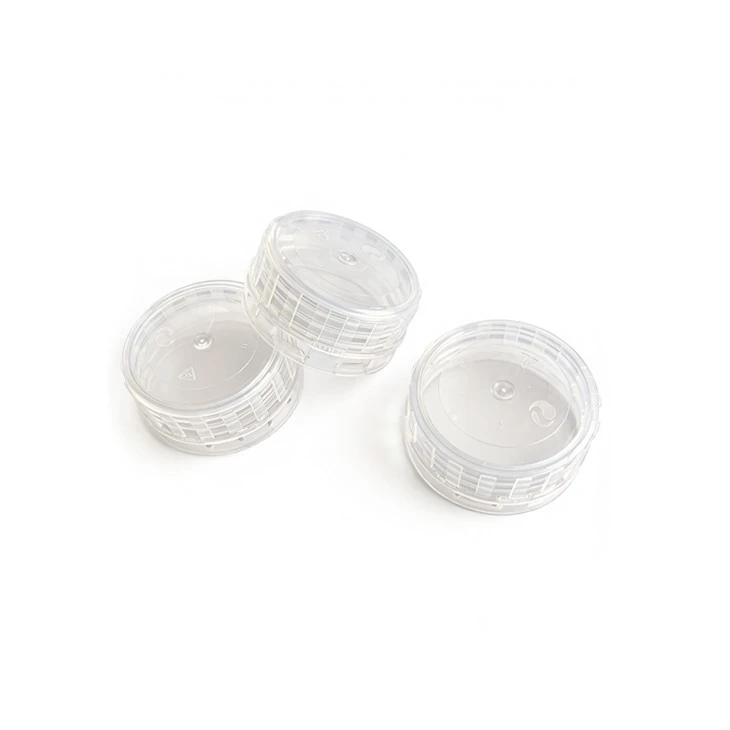
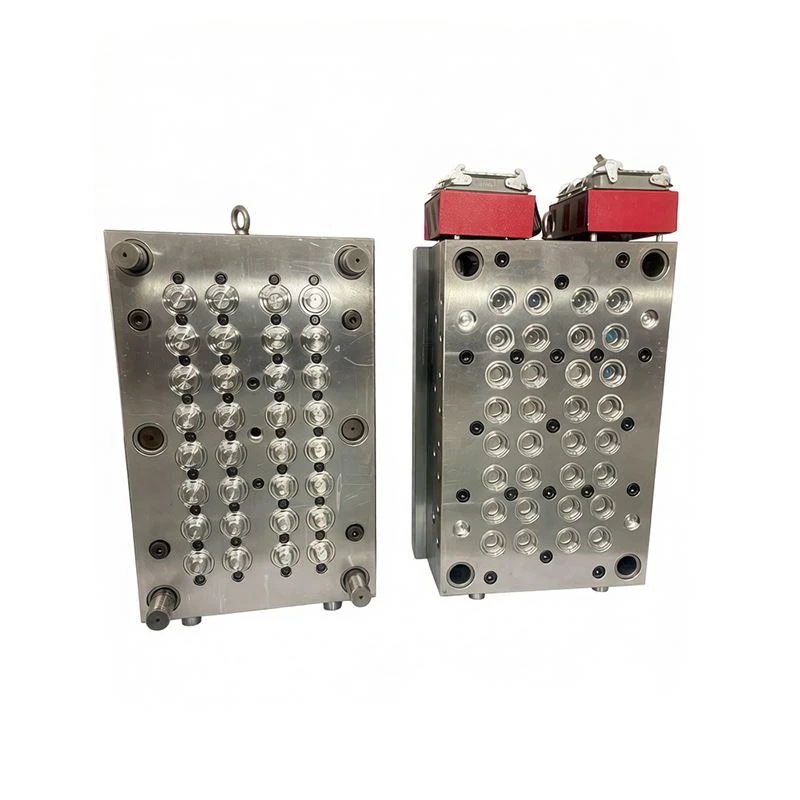
If you are interested in other types of plastic bottle moulds, we also offer a wide range of products. For example, we have Engine Oil Bottle Mould which is designed to produce high - quality engine oil bottles. Our Carbonated Beverage Preform Mold is specifically engineered to meet the requirements of carbonated beverage packaging. And for mineral water bottles, our Mineral Water Bottle Cap Mould provides a reliable solution for producing high - precision bottle caps. Of course, if you are in the market for Edible Oil PET Preform Mould, we are here to offer you the best products and services.
Conclusion
Maintaining an edible oil PET preform mould requires a comprehensive set of tools, including cleaning tools, inspection tools, lubrication and greasing tools, and repair tools. Each of these tools plays a vital role in ensuring the longevity, efficiency, and quality of the mould. As a supplier of edible oil PET preform moulds, we are committed to providing our customers with not only high - quality moulds but also the knowledge and support they need to maintain them properly.
If you are looking for an edible oil PET preform mould or need more information about mould maintenance, please feel free to contact us for a detailed discussion. We are ready to assist you in finding the best solutions for your production needs.
References
- "Plastic Mould Design and Manufacturing" by John Doe.
- "Maintenance and Repair of Precision Moulds" by Jane Smith.
- Industry reports on edible oil packaging and PET preform mould technology.