


As a cap mold supplier, I've seen firsthand the importance of getting the design right, especially when it comes to creating lightweight cap molds. In this post, I'll share some key design considerations that we keep in mind to ensure the best results for our clients.
Material Selection
The choice of material is crucial in lightweight cap mold design. When I'm working on a project, I always think about durability, cost - effectiveness, and ease of manufacturing. For lightweight cap molds, aluminum alloys are often a top pick. They're lightweight themselves, which helps in reducing the overall weight of the mold. Plus, they have good thermal conductivity. This means that during the molding process, the heat can transfer quickly and evenly, leading to faster cycle times and better - quality caps.
Another option is composite materials. Composites can be engineered to have specific properties like high strength - to - weight ratios. They can be customized to meet the exact requirements of the cap design, whether it's for a Engine Oil Cap Mould or a 5 Gallon Water Bottle Cap Mould. However, they can be more expensive, so it's important to balance the benefits with the budget.
Structural Integrity
Just because a cap mold is lightweight doesn't mean it can't be strong. I always focus on designing the mold with proper structural support. This might involve using ribbing and gussets in strategic locations. Ribs can add strength to the mold without adding a lot of weight. They help distribute the stress evenly across the mold during the injection molding process.
For example, when we're making a Plastic Cap Mould, we analyze the forces that will act on the mold. If the cap has a complex shape or requires high - pressure injection, we'll design the ribs to handle those forces. Gussets are also great for adding extra support at corners or joints, preventing the mold from warping or breaking.
Cooling System Design
A well - designed cooling system is a must for any cap mold, and it becomes even more important for lightweight ones. Since lightweight materials often have different thermal properties, the cooling system needs to be optimized. I usually aim for a cooling system that can remove heat quickly and uniformly.
One way to do this is by using conformal cooling channels. These channels follow the shape of the cap cavity, providing more efficient cooling compared to traditional straight - drilled channels. With conformal cooling, we can reduce the cooling time, which in turn increases the production rate of the caps. For instance, in a Plastic Cap Injection Mold, a good cooling system can make a big difference in the final quality of the caps, reducing shrinkage and warping.
Ejection Mechanism
The ejection mechanism of a cap mold needs to be carefully designed. In a lightweight cap mold, we have to make sure that the mechanism is not only effective but also lightweight. I prefer using simple and reliable ejection systems. For example, ejector pins are a common choice. They're easy to install and can be designed to fit the specific shape of the cap.
When designing the ejection mechanism, I also consider the force required to eject the cap. If the cap has undercuts or a complex shape, we might need to use more advanced ejection methods like slide cores. But we always try to keep the mechanism as lightweight as possible to maintain the overall weight of the mold.
Precision and Tolerance
Precision is key in cap mold design. The dimensions of the cap need to be accurate to ensure a proper fit on the bottle or container. When I'm working on a Water Bottle Cap Mould, for example, I know that even a small deviation in the size can cause leakage or a loose fit.
We use high - precision machining tools to manufacture the molds. This allows us to achieve tight tolerances. We also perform regular quality checks during the manufacturing process to ensure that the mold meets the required specifications. Any errors in the mold can lead to defective caps, which can be costly for our clients.
Cost - Efficiency
As a supplier, I understand that cost - efficiency is a major concern for our clients. When designing a lightweight cap mold, I look for ways to reduce costs without sacrificing quality. One way is to optimize the design to use less material. By carefully planning the shape and structure of the mold, we can minimize waste.
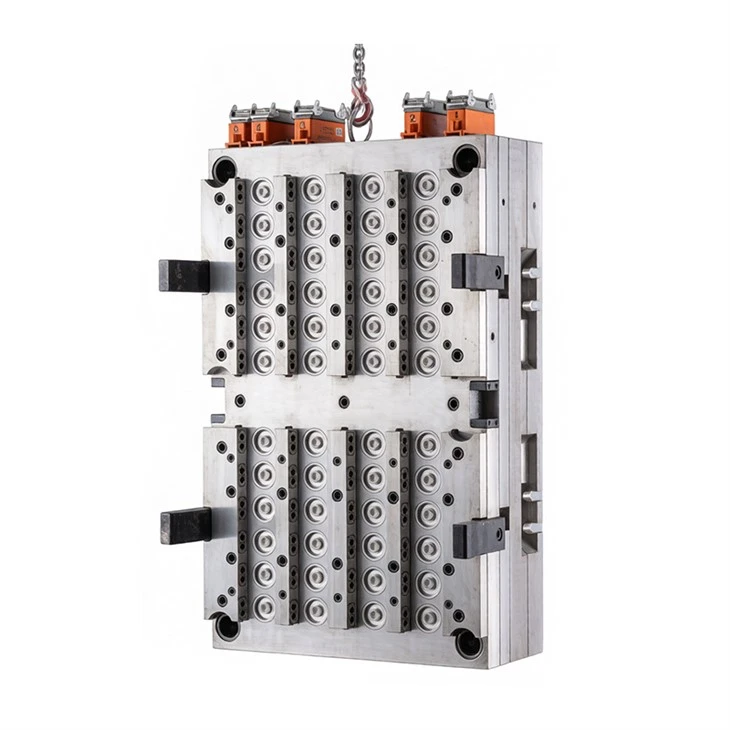
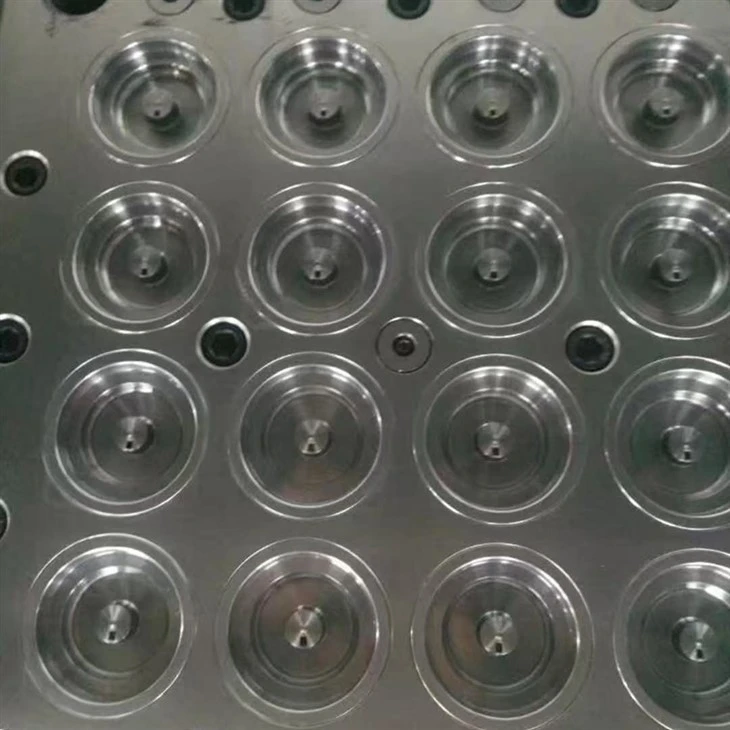
We also consider the long - term costs. A well - designed lightweight cap mold might have a higher upfront cost, but if it has a longer lifespan and lower maintenance requirements, it can be more cost - effective in the long run. For example, using high - quality materials and a good cooling system can reduce the need for frequent repairs and replacements.
Design for Manufacturability
The design of the cap mold should be easy to manufacture. I always think about the manufacturing process when I'm coming up with the design. For example, we try to avoid complex geometries that are difficult to machine. Instead, we use simple shapes and features that can be easily produced using standard manufacturing techniques.
We also consider the assembly process. The mold should be designed in a way that it can be easily assembled and disassembled for maintenance and cleaning. This helps in reducing the manufacturing time and cost.
Conclusion
Designing a lightweight cap mold involves a lot of careful thought and consideration. From material selection to cost - efficiency, every aspect plays a crucial role. By keeping these design considerations in mind, we can create high - quality lightweight cap molds that meet the needs of our clients.
If you're in the market for cap molds, whether it's for engine oil caps, water bottle caps, or any other type of cap, I'd love to have a chat with you. We can discuss your specific requirements and come up with the best design solution for your project. Don't hesitate to reach out and start the conversation about your cap mold needs.
References
- "Injection Molding Handbook" by O. Olsson
- "Mold Design for Plastics" by R. A. Malloy