


Flash in bottle preforms is a common issue that can significantly affect the quality and usability of the final product. As a dedicated Bottle Preform Mold supplier, we understand the challenges that manufacturers face in dealing with this problem. In this blog post, we will explore the root causes of flash in bottle preforms and provide practical solutions to eliminate it.
Understanding Flash in Bottle Preforms
Flash refers to the excess plastic that escapes from the mold cavity during the injection molding process. It appears as thin, unwanted edges or protrusions on the preform, often along the parting line, gate area, or other areas where the mold components meet. Flash not only affects the aesthetics of the preform but also can lead to issues in subsequent processing steps, such as blow - molding, and can cause problems with the fit and function of the final bottle.
Root Causes of Flash in Bottle Preforms
High Injection Pressure
Excessive injection pressure is one of the main culprits behind flash formation. When the injection pressure is too high, the molten plastic is forced out of the intended mold cavity through small gaps between the mold parts. This can happen due to improper machine settings or an attempt to fill the mold too quickly.
Worn or Damaged Mold Components
Over time, the mold components can wear out due to repeated use. The parting line, which is the area where the two halves of the mold meet, can become worn, allowing plastic to seep out. Other components such as slides, cores, and inserts can also be damaged, leading to gaps that enable flash formation.
Incorrect Mold Alignment
If the mold halves are not properly aligned during the clamping process, there will be gaps between them. These gaps provide a pathway for the molten plastic to escape, resulting in flash. Misalignment can be caused by issues with the injection molding machine's clamping unit or improper installation of the mold.
Improper Plasticizing Conditions
The temperature and viscosity of the molten plastic play a crucial role in the injection molding process. If the plastic is over - heated, its viscosity decreases, making it more likely to flow out of the mold cavity. On the other hand, if the plasticizing temperature is too low, the plastic may not fill the mold properly, and the machine may increase the pressure to compensate, leading to flash.
Solutions to Eliminate Flash in Bottle Preforms
Optimize Injection Pressure and Speed
It is essential to find the right balance between injection pressure and speed. Start by reducing the injection pressure to the lowest level that still allows for complete filling of the mold cavity. Use a slow - fast - slow injection speed profile. A slow start helps to prevent the plastic from rushing into the mold too quickly, while a fast middle phase ensures proper filling, and a slow end phase helps to prevent over - packing and flash formation.
Regular Mold Maintenance and Inspection
Implement a comprehensive mold maintenance program. Regularly clean the mold to remove any plastic residue, debris, or contaminants. Inspect the mold components for wear and damage, especially the parting line, slides, and cores. Replace any worn or damaged parts promptly. Lubricate moving parts to ensure smooth operation and proper alignment.
Ensure Proper Mold Alignment
Check the alignment of the mold halves before each production run. Use precision alignment devices and follow the manufacturer's guidelines for mold installation. If misalignment is detected, adjust the clamping unit of the injection molding machine or realign the mold components.
Control Plasticizing Conditions
Monitor and control the plasticizing temperature and screw speed carefully. Use the recommended temperature range for the specific type of plastic being used. If the plastic appears to be too viscous or too fluid, adjust the temperature accordingly. Additionally, ensure that the plasticizing screw is functioning properly and that there are no blockages in the plasticizing system.
Our Expertise as a Bottle Preform Mold Supplier
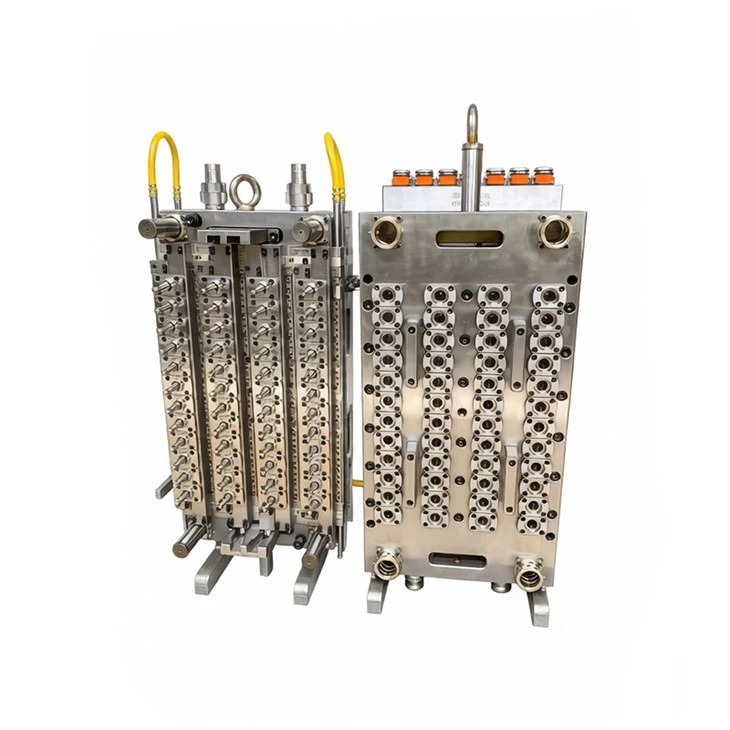
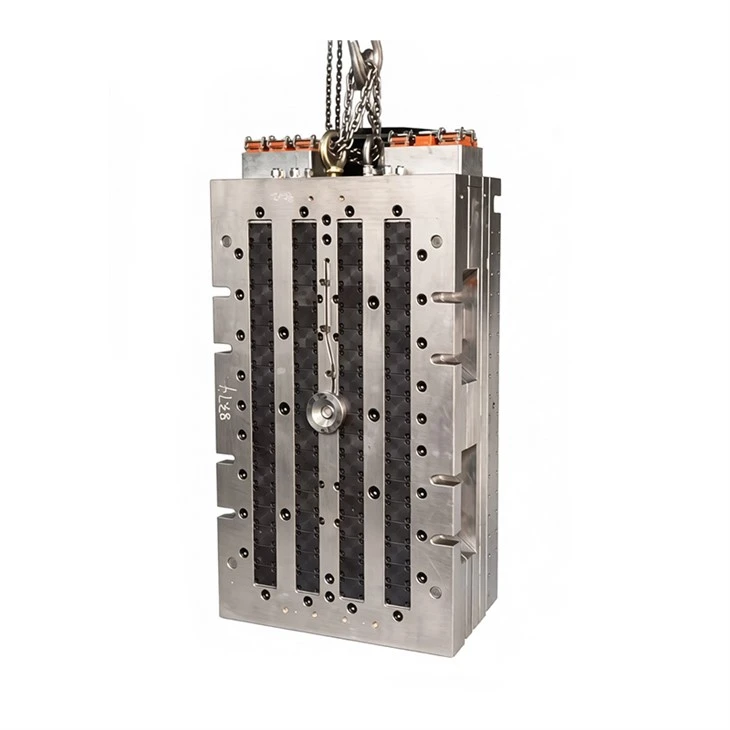
As a leading Bottle Preform Mold supplier, we offer a wide range of high - quality molds designed to minimize the occurrence of flash. Our Pet Bottle Preform Mould, Cosmetic Preform Injection Mold, Jar Preform Mould, and Pharmaceutical PET Preform Injection Mold are engineered with precision to ensure tight tolerances and proper sealing.
We use advanced manufacturing techniques and high - quality materials to construct our molds. Our experienced engineers work closely with customers to understand their specific requirements and provide customized solutions. We also offer after - sales support, including mold maintenance training and troubleshooting services.
Conclusion
Eliminating flash in bottle preforms requires a combination of proper process control, regular mold maintenance, and the use of high - quality molds. By understanding the root causes of flash and implementing the solutions outlined in this blog post, manufacturers can improve the quality of their bottle preforms and reduce production costs.
If you are facing issues with flash in your bottle preforms or are looking for a reliable Bottle Preform Mold supplier, we encourage you to contact us. Our team of experts is ready to assist you in finding the best solution for your specific needs.
References
- Groover, M. P. (2017). Fundamentals of Modern Manufacturing: Materials, Processes, and Systems. Wiley.
- Rosato, D. V., Rosato, D. V., & Schmid, J. P. (2000). Injection Molding Handbook. Springer.