


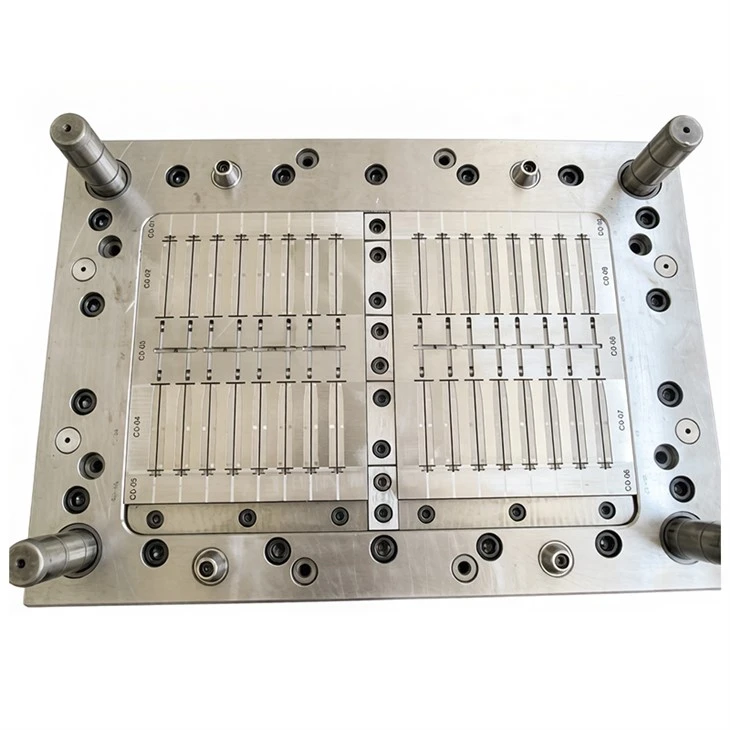
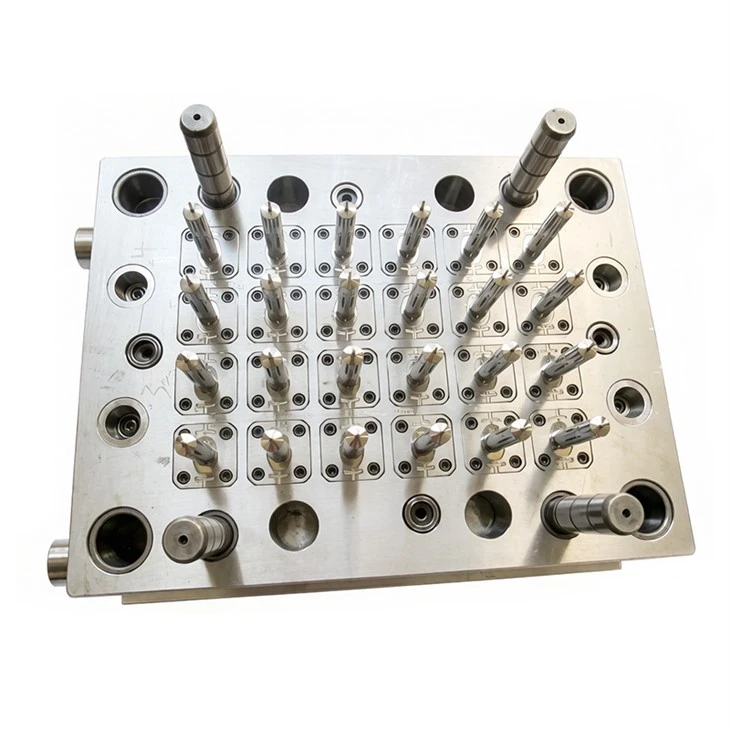
Hey there! As a supplier of Liquid Silicone Rubber Moulds, I get asked a lot about how to choose the right liquid silicone rubber (LSR) for a mould. It's not as straightforward as it might seem, so I'm gonna break it down for you in this blog post.
Understanding Liquid Silicone Rubber
First things first, what exactly is liquid silicone rubber? Well, LSR is a two - part, platinum - catalyzed elastomer that offers a wide range of properties. It's super flexible, durable, and can withstand extreme temperatures. It's also biocompatible, which makes it a top choice for medical applications.
Factors to Consider When Choosing LSR
1. Hardness
The hardness of LSR is measured on the Shore A scale. A lower Shore A value means the rubber is softer, while a higher value indicates a harder rubber. If you're making a mould for something like a soft medical device or a flexible seal, you'll probably want a softer LSR, say around 10 - 30 Shore A. On the other hand, if you need a more rigid part like a syringe barrel, a harder LSR in the 50 - 80 Shore A range would be better. For example, our Syringe Mould often requires a harder LSR to ensure the structural integrity of the syringe.
2. Tensile Strength
Tensile strength is how much the rubber can be stretched before it breaks. If your mould will be used to create parts that will undergo a lot of stress or stretching, you need an LSR with high tensile strength. This is crucial for medical products like pipettes. A high - quality LSR with good tensile strength ensures that the Pipette Tip Mould produces tips that won't break easily during use.
3. Elongation at Break
Elongation at break is the percentage increase in length of the rubber before it snaps. Similar to tensile strength, if your parts need to stretch a lot without breaking, you'll want an LSR with a high elongation at break. This is especially important for products like flexible medical tubing.
4. Chemical Resistance
Depending on the application, your LSR may need to resist certain chemicals. For example, in a medical setting, the rubber might come into contact with disinfectants, drugs, or bodily fluids. If that's the case, you need to choose an LSR that can withstand these chemicals without degrading. Our Medical Mold products often require LSR with excellent chemical resistance to ensure the safety and longevity of the medical devices.
5. Biocompatibility
If your mould is for medical applications, biocompatibility is non - negotiable. The LSR must be safe to come into contact with the human body, whether it's for a short - term or long - term use. There are different levels of biocompatibility, and you need to make sure the LSR you choose meets the relevant standards. Our Medical Silicone Mold is designed to work with biocompatible LSRs to produce safe medical products.
6. Temperature Resistance
LSR can handle a wide range of temperatures, but different formulations have different temperature limits. If your mould will be used in a high - temperature environment, like in sterilization processes, you need an LSR that can withstand those temperatures without losing its properties. Conversely, if it's for a low - temperature application, the LSR should remain flexible and functional. Our Medical Test Tube Mould might need an LSR that can handle temperature variations during storage and testing.
Working with a Supplier
Now, choosing the right LSR can be a bit overwhelming, especially if you're new to the game. That's where we come in! As a Liquid Silicone Rubber Mould supplier, we have the expertise and experience to help you make the best choice.
We can provide you with samples of different LSRs so you can test them out in your moulds. We'll also work closely with you to understand your specific requirements and recommend the most suitable LSR for your project. Whether you're making medical devices, automotive parts, or consumer products, we've got you covered.
Quality Control
At our end, we have strict quality control measures in place. We source our LSRs from reputable manufacturers and conduct thorough tests to ensure that they meet the required standards. We check for properties like hardness, tensile strength, and biocompatibility before using them in our moulds.
Cost - Benefits Analysis
Of course, cost is always a factor. But when choosing LSR, it's important to look beyond the price tag. A cheaper LSR might seem like a good idea at first, but if it doesn't meet your requirements, it could end up costing you more in the long run. You might have to deal with product failures, recalls, or additional manufacturing steps. So, we'll help you do a cost - benefits analysis to find an LSR that offers the best value for your money.
Customization
We understand that every project is unique, and sometimes off - the - shelf LSRs might not be enough. That's why we offer customization options. We can work with LSR manufacturers to develop a custom formulation that meets your exact specifications. Whether it's a specific color, a unique hardness, or enhanced chemical resistance, we can make it happen.
Our Support
Once you've chosen the right LSR and our moulds, our support doesn't stop there. We'll be with you throughout the production process. If you have any issues or questions, our team of experts is just a call or an email away. We'll help you troubleshoot any problems and ensure that your production runs smoothly.
Conclusion
Choosing the right liquid silicone rubber for a mould is a crucial step in the manufacturing process. By considering factors like hardness, tensile strength, chemical resistance, and biocompatibility, you can ensure that your mould produces high - quality parts. And as your trusted Liquid Silicone Rubber Mould supplier, we're here to guide you every step of the way.
If you're interested in learning more about our products or need help choosing the right LSR for your project, don't hesitate to reach out. We're ready to discuss your needs and start a partnership that will lead to successful manufacturing.
References
- "Silicone Rubber Handbook" by W. Hoffmann.
- Industry standards and regulations related to liquid silicone rubber and medical mould applications.