


Does Petri Dish Mould Interact with the Glass Surface of the Petri Dish?
As a supplier of Petri Dish Mould, I've been deeply involved in the world of laboratory equipment production. Petri dishes are essential tools in microbiology, used to culture and grow microorganisms. The interaction between the Petri dish mould and the glass surface of the Petri dish is a topic that has piqued my curiosity and is also crucial for understanding the quality and functionality of these laboratory essentials.
The Basics of Petri Dishes and Their Moulds
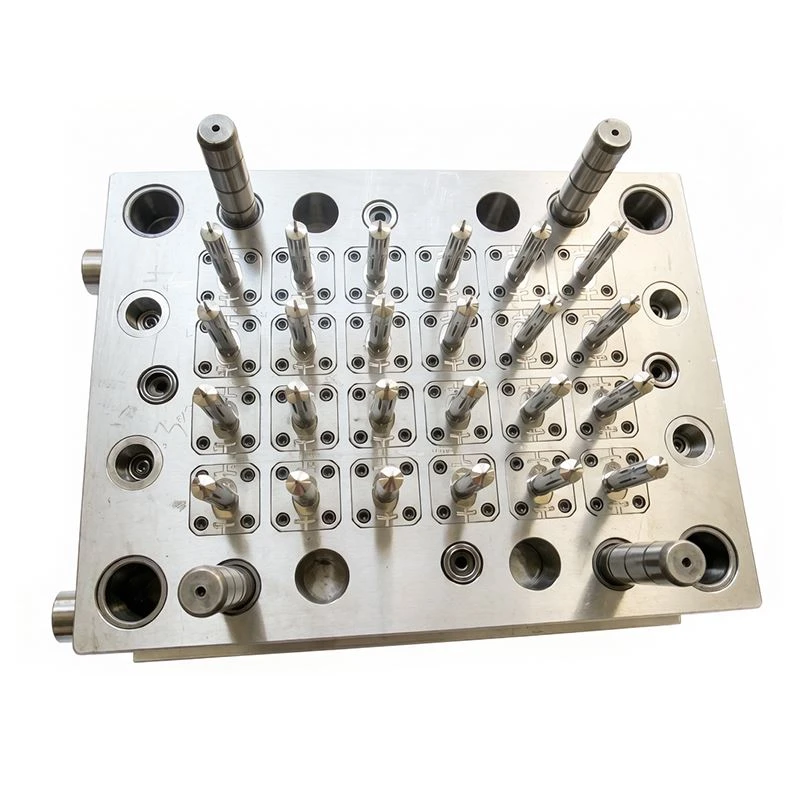
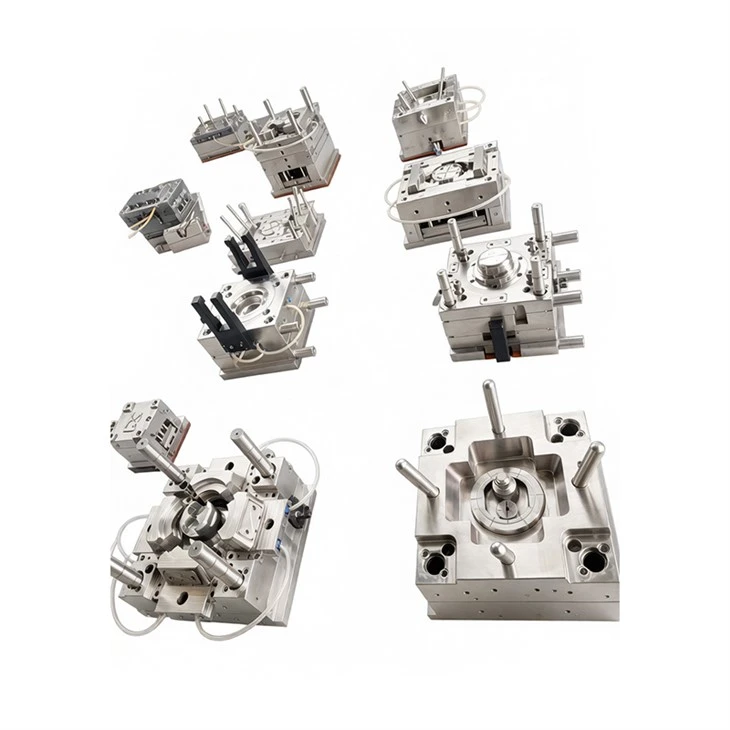
Petri dishes, named after the German bacteriologist Julius Richard Petri, are shallow cylindrical glass or plastic lidded dishes. They are widely used in microbiology laboratories for culturing microorganisms such as bacteria, fungi, and yeasts. The Petri dish mould is used to create the physical structure of the Petri dish, whether it's made of glass or plastic.
From a manufacturing perspective, the interaction between the Petri dish mould and the glass surface during the production process is complex. When producing glass Petri dishes, the molten glass is poured into the mould. The design and material of the mould can significantly influence the final shape, surface quality, and even the chemical properties of the glass Petri dish.
Physical Interactions
One of the primary physical interactions between the Petri dish mould and the glass surface is heat transfer. When the molten glass comes into contact with the mould, heat is rapidly transferred from the glass to the mould. This heat transfer rate affects the cooling process of the glass. If the heat transfer is too rapid, it can lead to internal stresses in the glass, which may cause the Petri dish to crack or become brittle. On the other hand, a slow heat transfer rate can result in a longer production cycle and affect the efficiency of manufacturing.
The surface roughness of the mould also plays a crucial role. A rough mould surface can imprint its texture onto the glass surface of the Petri dish. This may not only affect the aesthetic appearance but also the functionality. For example, a rough glass surface can provide more attachment points for microorganisms, which might interfere with accurate experimental results. In contrast, a smooth mould surface can produce a Petri dish with a smooth glass surface, which is more suitable for most microbiological experiments.
Chemical Interactions
Chemical interactions between the Petri dish mould and the glass surface are also possible. Some mould materials may contain elements that can react with the components of the glass. For instance, if the mould material contains certain metals, they may react with the silica or other oxides in the glass, especially under high - temperature conditions during the manufacturing process.
These chemical reactions can lead to the formation of new compounds on the glass surface. This can change the surface chemistry of the Petri dish, potentially affecting the growth of microorganisms. For example, if a chemical reaction results in the release of toxic substances on the glass surface, it can inhibit the growth of bacteria or fungi, making the Petri dish unsuitable for microbiological culture.
Impact on Laboratory Applications
The nature of the interaction between the Petri dish mould and the glass surface has a direct impact on laboratory applications. In microbiology, the quality of the Petri dish surface is critical for accurate and reproducible results.
A well - designed Petri dish mould that minimizes negative interactions with the glass surface can produce Petri dishes with consistent quality. This consistency is essential for comparing different experimental results. For example, in a study comparing the growth rates of different bacterial strains, any variation in the Petri dish surface due to mould - glass interactions can introduce errors into the experiment.
Our Role as a Supplier
As a supplier of Petri Dish Mould, we understand the importance of these interactions. We use high - quality materials for our moulds to ensure that they have minimal physical and chemical impacts on the glass surface of the Petri dishes. Our R & D team is constantly working on improving the design of the moulds to optimize heat transfer and reduce surface roughness.
In addition to Petri dish moulds, we also offer a wide range of other Medical Mould products, such as Pipette Tip Mould, Syringe Mould, and Medical Mold. All our products are designed to meet the high - quality standards required in the medical and laboratory fields.
Conclusion and Call to Action
In conclusion, the interaction between the Petri dish mould and the glass surface of the Petri dish is a complex phenomenon that involves both physical and chemical aspects. Understanding these interactions is crucial for ensuring the quality of Petri dishes used in microbiology laboratories.
If you are in the market for high - quality Petri dish moulds or other medical moulds, we invite you to contact us. Our team of experts is ready to discuss your specific requirements and provide you with the best solutions. Whether you are a laboratory equipment manufacturer or a research institution, we can help you achieve the highest level of quality in your products.
References
- Atlas, R. M., & Bartha, R. (1998). Microbial Ecology: Fundamentals and Applications. Benjamin Cummings.
- Madigan, M. T., Martinko, J. M., & Parker, J. (2003). Brock Biology of Microorganisms. Prentice Hall.
- Pelczar, M. J., Chan, E. C. S., & Krieg, N. R. (1993). Microbiology: Concepts and Applications. McGraw - Hill.