


As a supplier of Engine Oil Bottle Mould, I've often been asked an interesting question: Can an engine oil bottle mould be used for anti - static bottles? This topic not only involves the technical aspects of plastic moulding but also has practical implications for various industries. In this blog, I'll delve into this question from multiple perspectives.
Understanding Engine Oil Bottle Moulds
Engine oil bottle moulds are designed to produce bottles that can safely store engine oil. These moulds are engineered to meet specific requirements. The shape of the engine oil bottle is usually optimized for easy handling, pouring, and storage. The moulds are made from high - quality steel to ensure durability and precision in the manufacturing process. They need to withstand high pressures and temperatures during the injection - moulding process.
The material used for engine oil bottles is typically a type of plastic that can resist the chemical properties of engine oil, such as polyethylene (PE) or polypropylene (PP). These plastics are chosen for their chemical resistance, strength, and cost - effectiveness. The moulds are also designed to create a smooth inner surface of the bottle to prevent the accumulation of engine oil residues.
Anti - Static Bottles: Requirements and Applications
Anti - static bottles are used in industries where static electricity can cause significant problems. For example, in the electronics industry, static electricity can damage sensitive electronic components. Anti - static bottles are designed to dissipate static charges, preventing any electrostatic discharge (ESD) that could harm the contents.
The requirements for anti - static bottles are different from those of engine oil bottles. In addition to the basic requirements of strength and chemical resistance, anti - static bottles need to have conductive properties. This is usually achieved by adding anti - static agents to the plastic material during the manufacturing process. The surface resistivity of anti - static bottles is typically in the range of 10^6 to 10^12 ohms per square, which allows for the safe dissipation of static charges.
Anti - static bottles are also used in the pharmaceutical and chemical industries, where the prevention of static - related accidents is crucial. For example, in the storage and transportation of flammable chemicals, static electricity can cause ignition, leading to serious safety hazards.
Can an Engine Oil Bottle Mould be Used for Anti - Static Bottles?
Design Considerations
From a design perspective, an engine oil bottle mould can potentially be used to produce anti - static bottles. The basic shape and size requirements of anti - static bottles can be similar to those of engine oil bottles in some cases. For example, if the anti - static bottle is used to store small - volume chemicals or electronic components, a similar bottle size and shape to an engine oil bottle can be suitable.
However, there are some design differences that need to be considered. Anti - static bottles may require additional features, such as a smooth surface with no sharp edges or protrusions that could accumulate static charges. Engine oil bottle moulds may have features optimized for oil pouring, such as a spout, which may not be necessary for anti - static bottles. The mould may need to be modified or adjusted to meet the specific design requirements of anti - static bottles.
Material Compatibility
One of the main challenges in using an engine oil bottle mould for anti - static bottles is material compatibility. Engine oil bottles are made from plastics like PE or PP, which are chosen for their chemical resistance to engine oil. Anti - static bottles require the addition of anti - static agents to the plastic material. These agents can affect the flow properties and shrinkage rate of the plastic during the moulding process.
If the anti - static agents are not compatible with the plastic used in the engine oil bottle mould, it can lead to issues such as poor surface finish, uneven wall thickness, or even mould damage. Specialized anti - static additives need to be carefully selected and tested to ensure they work well with the existing plastic material used in the engine oil bottle mould.
Manufacturing Process Adjustments
The manufacturing process for engine oil bottles and anti - static bottles may also differ. Engine oil bottle moulding often focuses on efficient mass production and high - quality replication of the bottle design. Anti - static bottle production requires more precise control over the addition of anti - static agents and the moulding conditions to ensure consistent conductive properties across all bottles.
The injection - moulding temperature, pressure, and cooling time may need to be adjusted when using an engine oil bottle mould to produce anti - static bottles. These adjustments are necessary to accommodate the changes in the plastic material properties due to the addition of anti - static agents.
Advantages and Disadvantages
Advantages
- Cost - Saving: If an existing engine oil bottle mould can be used for anti - static bottles with minimal modifications, it can save on the cost of designing and manufacturing a new mould from scratch. This can be especially beneficial for small - to - medium - sized manufacturers who are looking to expand their product line.
- Familiarity with the Mould: As a supplier of engine oil bottle moulds, we have in - depth knowledge of the mould's characteristics and performance. This familiarity can help in quickly identifying and solving any issues that may arise during the production of anti - static bottles using the existing mould.
Disadvantages
- Limited Design Flexibility: The design of the engine oil bottle mould may not fully meet the specific requirements of anti - static bottles. Modifying the mould may be limited by its existing structure, which could result in sub - optimal anti - static bottle designs.
- Material and Process Challenges: As mentioned earlier, the material compatibility and process adjustments required for using an engine oil bottle mould for anti - static bottles can be complex. This may increase the production cost and the risk of quality issues.
Other Related Moulds in the Industry
In the plastic bottle mould industry, there are various other types of moulds that are worth mentioning. For example, the Mineral Water Bottle Cap Mould is designed to produce caps for mineral water bottles. These moulds need to ensure a tight seal to prevent leakage and maintain the freshness of the water.
The Carbonated Beverage Preform Mold is specialized for creating preforms that will be blown into carbonated beverage bottles. These moulds need to withstand high internal pressures due to the carbonation in the beverages.
The Edible Oil PET Preform Mould is used to make preforms for edible oil bottles. The plastic used in these bottles needs to be food - grade and have good barrier properties to prevent oil oxidation.
Conclusion and Call to Action
In conclusion, while it is possible to use an engine oil bottle mould for anti - static bottles, it is not without challenges. The design, material compatibility, and manufacturing process all need to be carefully considered. However, for the right application and with proper adjustments, an existing engine oil bottle mould can provide a cost - effective solution for producing anti - static bottles.
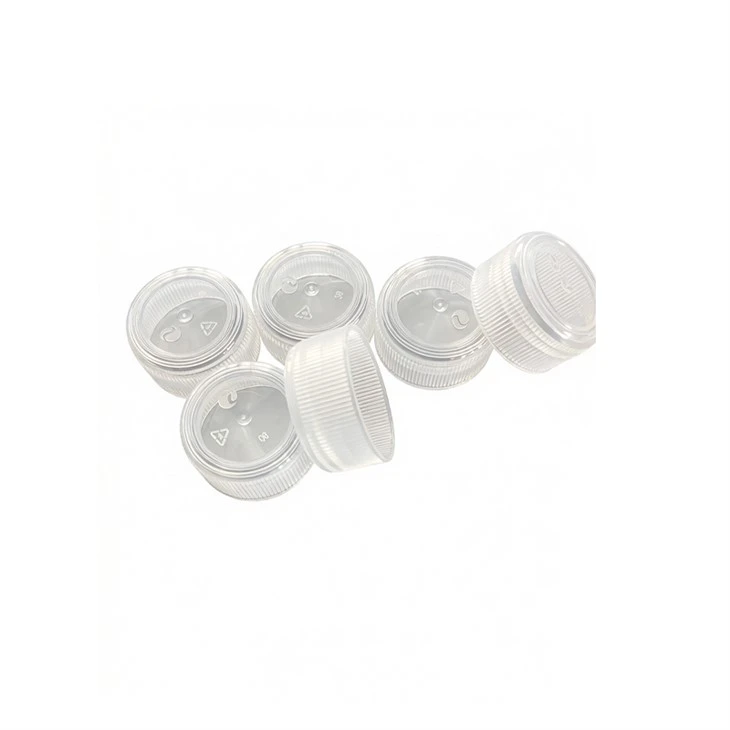
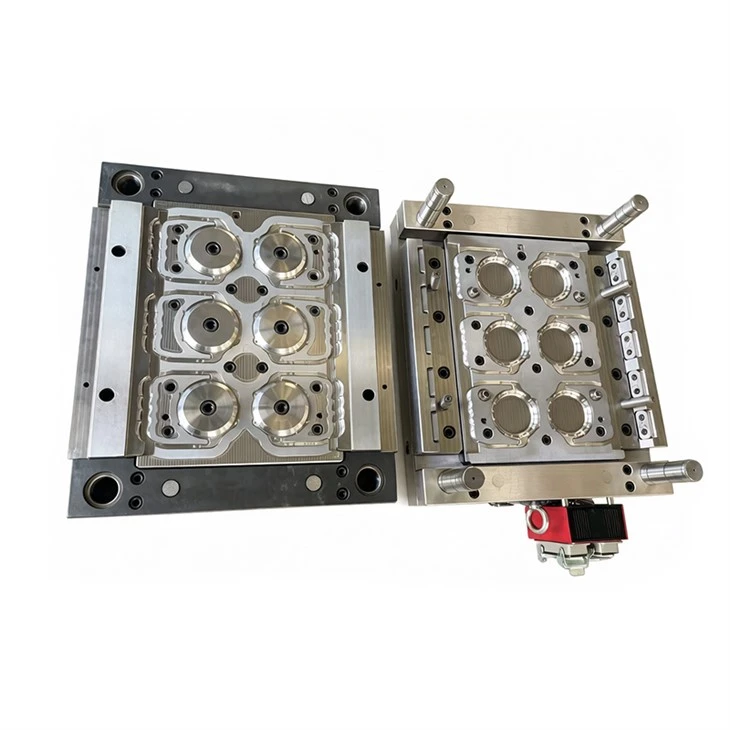
If you are interested in our Engine Oil Bottle Mould or have any questions about using it for anti - static bottle production, we welcome you to contact us. We are ready to discuss your specific requirements and provide professional advice and solutions.
References
- Plastics Engineering Handbook.
- Injection Moulding Technology: Principles and Practice.