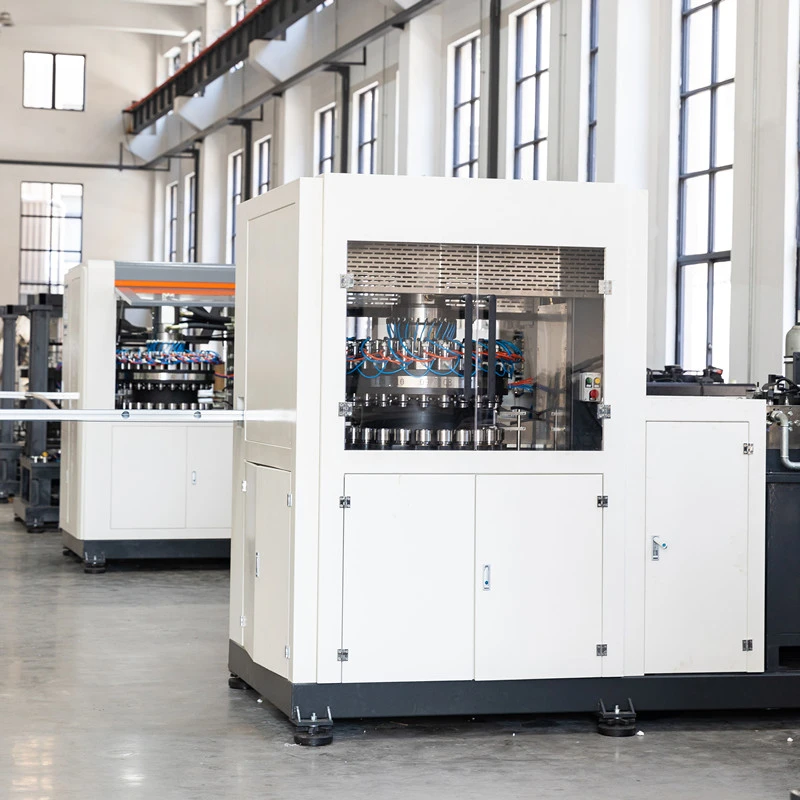

With the widespread adoption of Industry 4.0 and sustainable development principles, manufacturers of high-speed capping machines face the dual challenges of technological upgrades and market transformation. Their development trajectory can be summarized in the following three areas:
1. Intelligence and Digitization: By integrating IoT technology, high-speed capping machines can upload real-time production data to the cloud, helping enterprises optimize production scheduling and predict maintenance needs. For instance, a smart capping machine developed by one manufacturer automatically analyzes fluctuations in capping force and provides early warnings of equipment faults, thereby reducing downtime by 40%.
2. Sustainability and Energy Efficiency: Driven by "dual carbon" goals, manufacturers are reducing energy consumption by optimizing drive systems and utilizing lightweight materials. For example, a capping machine powered by a permanent magnet synchronous motor-developed by a specific enterprise-consumes 30% less energy than traditional equipment while also reducing noise pollution.
3. Customization and Flexibility: To meet the demand for small-batch, high-variety production, high-speed capping machines require greater flexibility. Some manufacturers have introduced "Lego-style" modular designs, allowing users to freely configure components such as capping heads and conveyor belts according to their specific needs, thereby enabling a single machine to perform multiple functions.