


In the fast - paced world of manufacturing, high - speed cap pressing machines play a crucial role in ensuring the efficient and reliable capping of various bottles. As a leading supplier of high - speed cap pressing machines, we have witnessed firsthand the common problems that these machines may encounter and have developed effective solutions to address them.
1. Cap Jamming
One of the most prevalent issues with high - speed cap pressing machines is cap jamming. This occurs when caps get stuck in the feeding system, capping head, or other components of the machine. Several factors can contribute to cap jamming.
Firstly, improper cap design can be a culprit. Caps that are not well - shaped, have uneven edges, or are not within the specified dimensions can easily get caught in the machine's mechanisms. For example, if the caps are too thick at certain points, they may not pass smoothly through the feeding channels.
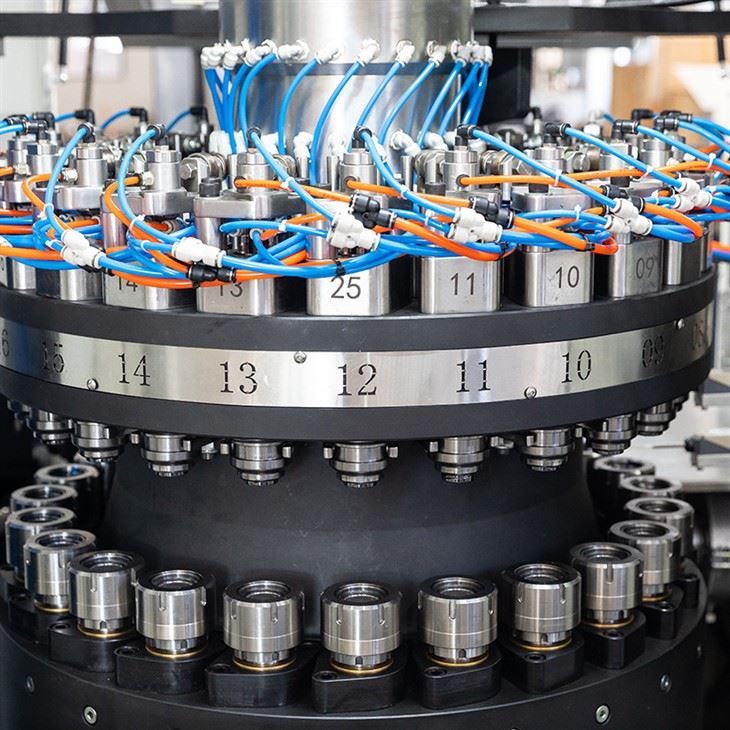
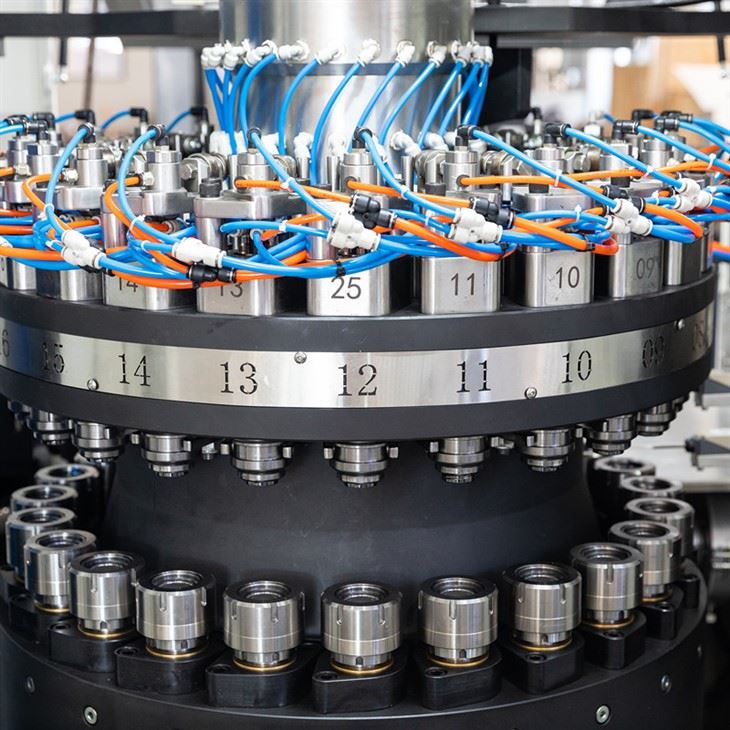
Secondly, the feeding system may face problems. A clogged feeding chute or an incorrect setting of the feeder can cause the caps to pile up and jam. If the vibration of the feeder is not properly adjusted, the caps may not move in an orderly manner towards the capping head.
To solve cap jamming problems, we recommend the following steps. First, ensure that the caps used are of high - quality and meet the machine's specifications. Work closely with your cap supplier to verify the dimensions and quality of the caps. Second, regularly clean the feeding system. Remove any debris or dust that may accumulate in the feeding chute, hopper, or other parts of the feeder. Third, adjust the settings of the feeder. Make sure the vibration frequency and amplitude are appropriate for the type of caps being used. You can refer to the machine's user manual for detailed adjustment instructions.
2. Inconsistent Cap Tightening
Another significant problem is inconsistent cap tightening. Some bottles may have caps that are too loose, while others may have caps that are overly tight. This can lead to product leakage, spoilage, or difficulty for consumers to open the bottles.
The root causes of inconsistent cap tightening can be varied. One possible cause is wear and tear of the capping head. Over time, the components of the capping head, such as the grippers or torque - applying mechanisms, may become worn, resulting in inconsistent torque application. Another cause could be improper adjustment of the torque settings. If the torque is not set correctly according to the type of cap and bottle, the capping process will not be uniform.
To address inconsistent cap tightening, we suggest regular maintenance of the capping head. Check and replace any worn - out components in a timely manner. This can help ensure that the capping head applies a consistent force to each cap. Additionally, perform regular calibration of the torque settings. Use a torque - measuring device to check the actual torque being applied and make adjustments as needed. This will help ensure that all caps are tightened to the appropriate level.
3. Bottle Misalignment
Bottle misalignment is also a common problem in high - speed cap pressing machines. When bottles are not properly aligned with the capping head, it can lead to improper capping, cap damage, and even machine downtime.
There are multiple reasons for bottle misalignment. The bottle conveyor belt may be worn or damaged, causing the bottles to move erratically. The guiding rails that are supposed to keep the bottles in place may be misadjusted or damaged. Also, if the bottles have irregular shapes or sizes, they may not fit well into the guiding system.
To solve the bottle misalignment problem, start by inspecting the conveyor belt. Replace any worn - out belts and ensure that they are properly tensioned. Check the guiding rails and adjust them to the correct position. If the bottles have non - standard shapes, consider using customized guiding systems or adapters. This can help ensure that the bottles are accurately positioned under the capping head.
4. Machine Vibration
Excessive machine vibration can cause a variety of problems, including premature wear of components, inaccurate capping, and increased noise levels.
Machine vibration can be caused by unbalanced rotating parts, such as motors or capping heads. Another possible cause is improper installation of the machine. If the machine is not firmly mounted on a stable surface, it may vibrate during operation.
To reduce machine vibration, first, check the balance of the rotating parts. If they are unbalanced, have them re - balanced by a professional. Second, ensure that the machine is correctly installed. Make sure the machine is level and firmly fixed to the floor. You can also use vibration - dampening pads under the machine to absorb some of the vibrations.
5. Electrical and Control System Issues
In modern high - speed cap pressing machines, electrical and control system issues can cause significant disruptions. These issues can range from simple sensor malfunctions to complex programming errors.
Sensor malfunctions can lead to incorrect detection of bottles or caps, which can result in improper capping or machine stoppages. Programming errors in the control system can cause the machine to operate in an unexpected manner.
To troubleshoot electrical and control system issues, start by checking all the sensors. Clean the sensor lenses and ensure that they are properly connected. If a sensor is faulty, replace it with a new one. For programming errors, consult the machine's user manual or contact the manufacturer's technical support team. They can help you identify and correct the programming issues.
6. Maintenance - Related Solutions
Regular maintenance is the key to preventing and solving many of the problems mentioned above. We recommend the following maintenance practices for high - speed cap pressing machines:
- Daily Maintenance:
- Clean the machine thoroughly at the end of each production day. Remove any loose caps, debris, or dust from the feeding system, capping head, and conveyor belt.
- Check the lubrication levels of all moving parts. Add lubricant as needed to ensure smooth operation.
- Inspect the electrical connections and sensors for any signs of damage or loose connections.
- Weekly Maintenance:
- Check the alignment of the guiding rails, conveyor belt, and capping head. Make any necessary adjustments.
- Test the torque settings of the capping head to ensure consistent cap tightening.
- Review the machine's operating parameters and make any fine - tuning as needed.
- Monthly and Quarterly Maintenance:
- Replace any worn - out components, such as belts, grippers, or seals.
- Have a professional technician perform a comprehensive inspection of the machine, including the electrical and control systems.
- Update the machine's software if applicable to ensure the latest functionality and performance.
Links for Further Information
If you are interested in learning more about different types of capping machines, we provide the following links:
- Mineral Water Bottle Capping Machine
- High Speed Bottle Cap Sealing Machine
- High Speed Cap Pressing Machine
- Plastic Bottle High Speed Capper
- High Speed Capping Machine
Conclusion and Call to Action
In conclusion, high - speed cap pressing machines are essential for the efficient production of capped bottles, but they can face several common problems. By understanding these problems and implementing the appropriate solutions, you can ensure the smooth operation of your machines and improve the overall productivity and quality of your products.
If you are experiencing issues with your high - speed cap pressing machines or are considering purchasing new ones, we are here to help. Our team of experts can provide you with professional advice, installation, and after - sales service. We invite you to contact us for more information and to discuss your specific requirements. We look forward to the opportunity to work with you and help you achieve your production goals.
References
- Manufacturer's Manuals for High - Speed Cap Pressing Machines
- Industry Reports on Capping Machine Technologies and Maintenance Best Practices