


Capping machines play a crucial role in the packaging industry, ensuring the proper sealing of bottles and containers. Regular cleaning of these machines is not only essential for maintaining their performance but also for ensuring the quality and safety of the products being packaged. As a capping machine supplier, I understand the significance of proper cleaning procedures and the impact they can have on the overall efficiency of your production line. In this blog, I will share some comprehensive guidelines on how to clean a capping machine effectively.
Preparation Before Cleaning
Before you start cleaning the capping machine, it is essential to take some preparatory steps to ensure your safety and the machine's proper functioning. First, make sure to turn off the power supply to the machine and unplug it from the electrical outlet. This will prevent any potential electrical hazards during the cleaning process.
Next, gather all the necessary cleaning supplies. You will need mild detergents, soft brushes, clean cloths, and compressed air. Avoid using abrasive cleaners or tools that could scratch the machine's surfaces, as this could lead to corrosion and affect the machine's performance.
Cleaning the Exterior
The exterior of the capping machine is the first area to clean. Start by removing any loose debris, dust, or dirt from the machine's surface using a soft brush or a dry cloth. Pay special attention to the areas around the control panels, switches, and buttons, as these areas can accumulate a lot of dust and grime over time.
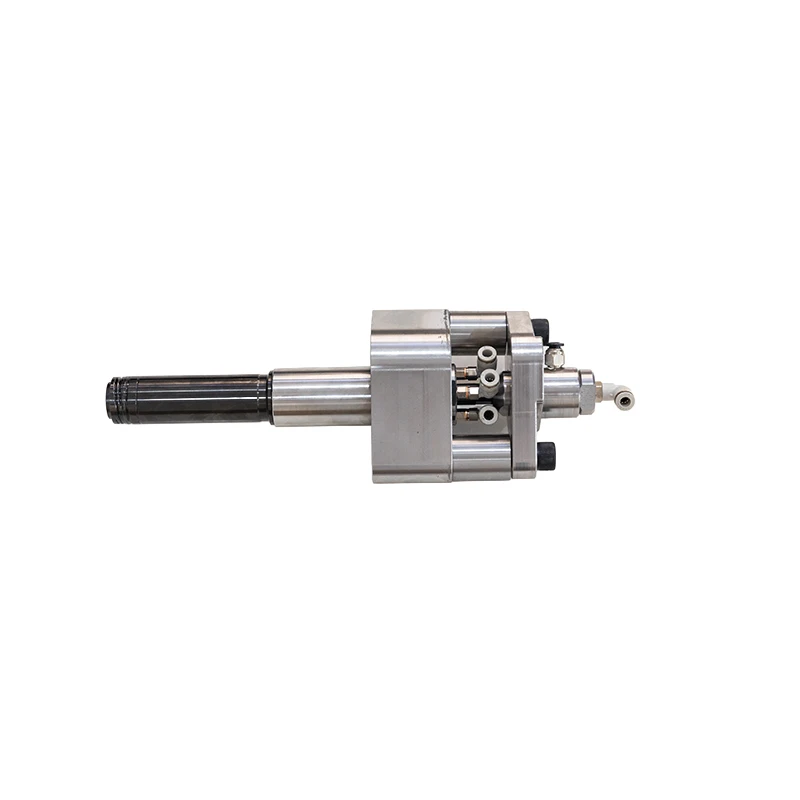

Once you have removed the loose debris, dampen a clean cloth with a mild detergent solution and gently wipe down the entire exterior of the machine. Make sure to clean all the nooks and crannies, including the corners and edges. Rinse the cloth frequently and wring it out well to avoid leaving too much moisture on the machine.
After wiping down the exterior, use a dry cloth to dry the machine thoroughly. This will prevent any water spots or rust from forming on the machine's surface.
Cleaning the Conveyor System
The conveyor system is an integral part of the capping machine, as it transports the bottles or containers through the capping process. Over time, the conveyor belts can accumulate dirt, debris, and product residues, which can affect the machine's performance and cause jams.
To clean the conveyor system, start by removing any bottles or containers from the belts. Use a soft brush to remove any loose debris from the belts and the conveyor frame. Pay special attention to the areas where the belts come into contact with the machine's rollers and pulleys.
Next, dampen a clean cloth with a mild detergent solution and wipe down the conveyor belts. Make sure to clean both the top and bottom surfaces of the belts, as well as the sides. Rinse the cloth frequently and wring it out well to avoid leaving too much moisture on the belts.
After wiping down the belts, use a dry cloth to dry them thoroughly. You can also use compressed air to blow any remaining debris out of the conveyor system.
Cleaning the Capping Heads
The capping heads are the most critical part of the capping machine, as they are responsible for applying the caps to the bottles or containers. Over time, the capping heads can accumulate dirt, debris, and product residues, which can affect the quality of the caps and the machine's performance.
To clean the capping heads, start by removing them from the machine. Refer to the machine's user manual for specific instructions on how to remove the capping heads safely. Once the capping heads are removed, disassemble them as much as possible, following the manufacturer's instructions.
Soak the disassembled capping heads in a mild detergent solution for a few minutes to loosen any dirt or debris. Use a soft brush to gently scrub the capping heads, paying special attention to the areas where the caps come into contact with the machine. Rinse the capping heads thoroughly with clean water to remove any detergent residue.
After rinsing the capping heads, dry them thoroughly with a clean cloth or compressed air. Reassemble the capping heads and reinstall them on the machine, following the manufacturer's instructions.
Cleaning the Hopper and Cap Feeder
The hopper and cap feeder are used to store and feed the caps to the capping heads. Over time, the hopper and cap feeder can accumulate dirt, debris, and product residues, which can affect the flow of caps and the machine's performance.
To clean the hopper and cap feeder, start by removing any remaining caps from the hopper. Use a soft brush to remove any loose debris from the hopper and the cap feeder. Pay special attention to the areas where the caps come into contact with the machine.
Next, dampen a clean cloth with a mild detergent solution and wipe down the inside of the hopper and the cap feeder. Make sure to clean all the surfaces, including the walls, the bottom, and the corners. Rinse the cloth frequently and wring it out well to avoid leaving too much moisture in the hopper and the cap feeder.
After wiping down the hopper and the cap feeder, use a dry cloth to dry them thoroughly. You can also use compressed air to blow any remaining debris out of the hopper and the cap feeder.
Cleaning the Control Panel and Electrical Components
The control panel and electrical components of the capping machine are sensitive and require special care when cleaning. Before cleaning these areas, make sure to turn off the power supply to the machine and unplug it from the electrical outlet.
Use a soft, dry cloth to gently wipe down the control panel and the electrical components. Avoid using any liquids or cleaners on these areas, as this could damage the electrical components and cause a short circuit.
If there is stubborn dirt or debris on the control panel or the electrical components, you can use a can of compressed air to blow it off. Make sure to hold the can upright and use short, quick bursts of air to avoid damaging the components.
Regular Maintenance and Cleaning Schedule
To ensure the optimal performance of your capping machine, it is essential to establish a regular maintenance and cleaning schedule. Depending on the frequency of use and the type of products being packaged, you may need to clean the machine daily, weekly, or monthly.
In addition to regular cleaning, it is also important to perform routine maintenance tasks, such as lubricating the moving parts, checking the belts and chains for tension, and inspecting the electrical connections. Refer to the machine's user manual for specific maintenance instructions and schedules.
Conclusion
Cleaning a capping machine is a crucial part of maintaining its performance and ensuring the quality and safety of the products being packaged. By following the guidelines outlined in this blog, you can effectively clean your capping machine and keep it running smoothly for years to come.
If you are in the market for a high-quality capping machine, we offer a wide range of options to meet your specific needs. Our High Speed Bottle Cap Sealing Machine, High Speed Cap Pressing Machine, Mineral Water Bottle Capping Machine, Plastic Bottle High Speed Capper, and High Speed Capping Machine are all designed to provide reliable and efficient performance.
If you have any questions or would like to discuss your capping machine needs, please feel free to contact us for a detailed discussion and potential purchase. We look forward to helping you find the perfect capping solution for your business.
References
- Manufacturer's user manuals for capping machines
- Industry best practices for cleaning and maintenance of packaging equipment