
When it comes to the world of plastic manufacturing, especially in the production of PET preforms, choosing the right mold is a critical decision that can significantly impact your production efficiency, product quality, and overall profitability. As a seasoned PET preform mold supplier, I understand the complexities involved in this selection process. In this blog post, I'll share some valuable insights to help you make an informed choice for your production needs.
1. Understand Your Production Requirements
The first step in choosing the right PET preform mold is to have a clear understanding of your production requirements. This includes factors such as the type of product you want to manufacture, the production volume, and the quality standards you need to meet.
Product Type
Are you planning to produce Mineral Water Bottle Preform Mould, Pet Bottle Preform Mould, Cosmetic Preform Injection Mold, Bottle Preform Mold or Jar Preform Mould? Different product types have different design requirements. For example, a mineral water bottle preform may require a specific neck finish and wall thickness to ensure proper sealing and durability. On the other hand, a cosmetic preform injection mold may need to have a more intricate design to accommodate the unique shape and branding requirements of cosmetic products.
Production Volume
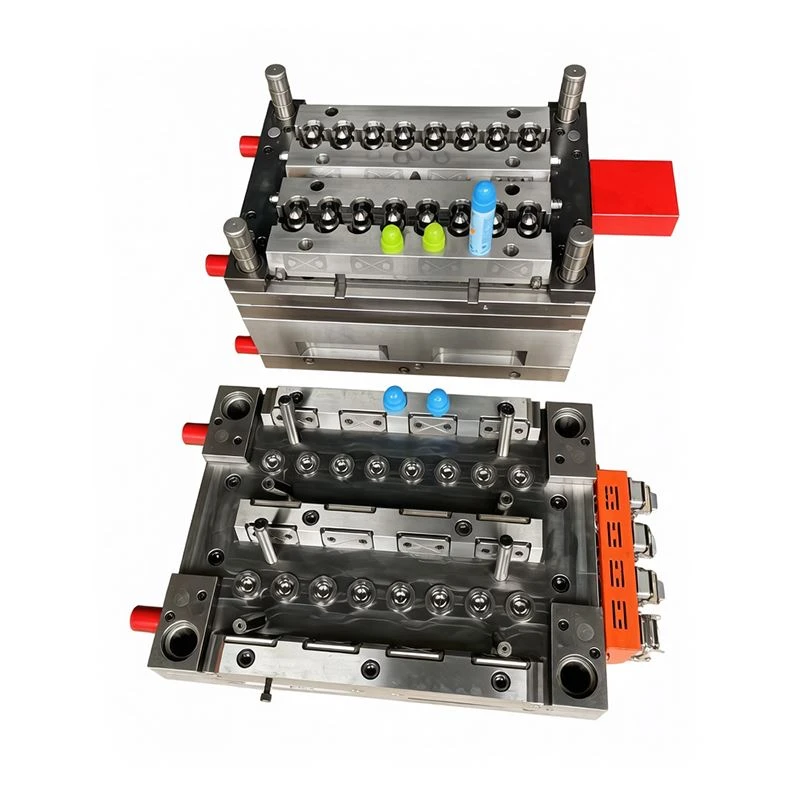
Your production volume plays a crucial role in determining the type of mold you need. If you have a high-volume production requirement, you may want to consider a multi-cavity mold. A multi-cavity mold can produce multiple preforms in a single injection cycle, which significantly increases the production efficiency. However, multi-cavity molds are generally more expensive to manufacture and maintain. If your production volume is relatively low, a single-cavity or a low-cavity mold may be a more cost-effective option.
Quality Standards
The quality standards of your products are also an important consideration. If you are producing preforms for high-end products, you may need a mold that can produce preforms with high precision and consistency. This may require a mold made from high-quality materials and manufactured using advanced machining techniques. Additionally, you may need to consider the surface finish of the mold, as it can affect the appearance and functionality of the preforms.
2. Evaluate the Mold Material
The material used to make the PET preform mold is another critical factor that can affect the performance and lifespan of the mold. The most common materials used for PET preform molds are steel and aluminum.
Steel Molds
Steel molds are known for their high strength, durability, and wear resistance. They can withstand high injection pressures and temperatures, making them suitable for high-volume production. Steel molds also have a longer lifespan compared to aluminum molds, which means you can use them for a longer period of time before needing to replace them. However, steel molds are generally more expensive to manufacture and may require more time to produce.
Aluminum Molds
Aluminum molds are lighter and more cost-effective compared to steel molds. They have a better heat transfer coefficient, which means they can cool down faster during the injection molding process. This can result in shorter cycle times and increased production efficiency. However, aluminum molds are not as strong and durable as steel molds, and they may not be suitable for high-volume production or applications that require high precision.
3. Consider the Mold Design
The design of the PET preform mold can have a significant impact on the quality and efficiency of your production. Here are some key design considerations:
Cavity Design
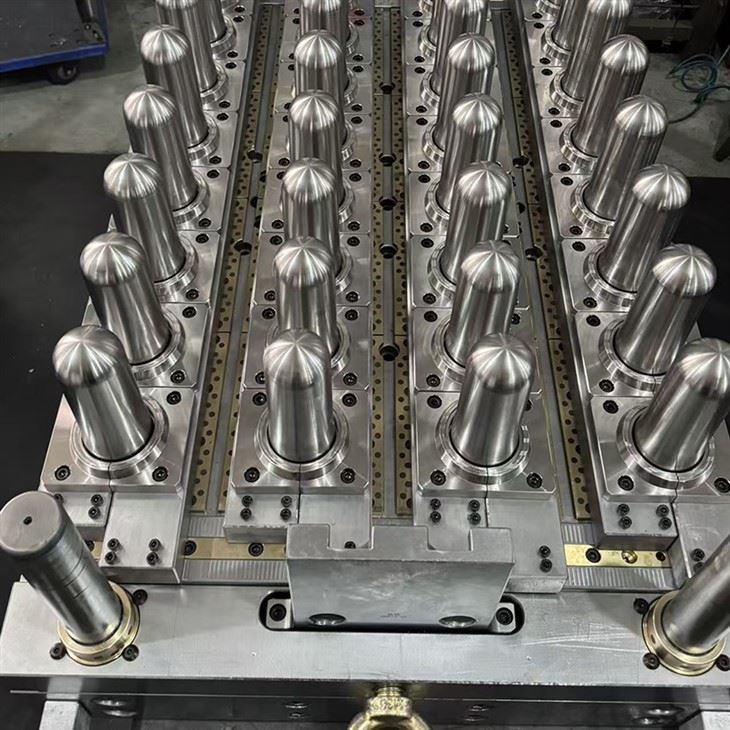
The cavity design of the mold determines the shape and size of the preforms. It is important to ensure that the cavity design is optimized for the specific product you are manufacturing. This may involve factors such as the neck finish, wall thickness, and gate location. A well-designed cavity can help to minimize the amount of scrap and improve the overall quality of the preforms.
Cooling System
The cooling system of the mold is crucial for ensuring proper cooling of the preforms during the injection molding process. A well-designed cooling system can help to reduce cycle times, improve product quality, and prevent defects such as warping and sink marks. There are different types of cooling systems available, such as water cooling and oil cooling. The choice of cooling system depends on factors such as the size and complexity of the mold, the production volume, and the type of plastic material used.
Ejection System
The ejection system of the mold is responsible for removing the preforms from the mold cavity after the injection molding process is complete. A reliable ejection system is essential for ensuring smooth and efficient production. There are different types of ejection systems available, such as mechanical ejection, hydraulic ejection, and pneumatic ejection. The choice of ejection system depends on factors such as the size and shape of the preforms, the production volume, and the type of mold material used.
4. Assess the Manufacturer's Expertise
Choosing the right manufacturer for your PET preform mold is just as important as choosing the right mold itself. Here are some factors to consider when assessing a manufacturer's expertise:
Experience
Look for a manufacturer with extensive experience in producing PET preform molds. An experienced manufacturer will have a better understanding of the industry requirements and will be able to provide you with high-quality molds that meet your specific needs. You can ask the manufacturer about their past projects and customer references to get an idea of their experience and capabilities.
Technology and Equipment
A manufacturer that uses advanced technology and equipment is more likely to produce high-quality molds. Look for a manufacturer that invests in the latest machining technology, such as CNC machining and EDM machining. These technologies can help to ensure the precision and accuracy of the mold design. Additionally, a manufacturer with a well-equipped quality control laboratory can help to ensure that the molds meet the highest quality standards.
Customer Service
Good customer service is essential when dealing with a mold manufacturer. Look for a manufacturer that is responsive to your inquiries and can provide you with timely support throughout the mold manufacturing process. A manufacturer that offers after-sales service and support can also be a valuable asset, as it can help to ensure the long-term performance and reliability of the molds.
5. Compare Costs
Cost is always an important consideration when choosing a PET preform mold. However, it is important to remember that the cheapest option may not always be the best. When comparing costs, make sure to consider the following factors:
Initial Cost
The initial cost of the mold includes the cost of materials, machining, and labor. This is the most obvious cost factor, but it is important to look beyond the initial price. A higher-quality mold may cost more upfront, but it can save you money in the long run by reducing production costs and improving product quality.
Production Cost
The production cost includes the cost of raw materials, energy, and labor. A well-designed mold can help to reduce production costs by improving the production efficiency and minimizing the amount of scrap. When comparing molds, consider the cycle time, the number of cavities, and the overall production efficiency.
Maintenance Cost
The maintenance cost of the mold includes the cost of repairs, replacements, and cleaning. A high-quality mold that is made from durable materials and has a good design is less likely to require frequent maintenance. When comparing molds, consider the expected lifespan of the mold and the estimated maintenance cost over its lifetime.
Conclusion
Choosing the right PET preform mold for your production is a complex decision that requires careful consideration of several factors. By understanding your production requirements, evaluating the mold material, considering the mold design, assessing the manufacturer's expertise, and comparing costs, you can make an informed choice that will help you to achieve your production goals.
If you are in the process of selecting a PET preform mold for your production, I encourage you to reach out to us for a consultation. As a leading PET preform mold supplier, we have the expertise and experience to provide you with high-quality molds that meet your specific needs. Contact us today to start discussing your requirements and explore how we can help you optimize your production process.
References
- "Plastic Injection Molding Handbook" by O. Osswald, T. Turng, and P. Gramann
- "Mold Design for Injection Molding" by J. Beaumont
- Industry reports and publications on PET preform manufacturing and mold technology