


When it comes to cap molds, one of the most frequently asked questions from our clients is, "How long does a cap mold last?" As a reputable cap mold supplier, we understand that the longevity of a cap mold is a significant concern for businesses, as it directly affects production costs, efficiency, and overall profitability. In this blog post, we will delve into the factors that influence the lifespan of a cap mold and provide insights to help you make informed decisions.

Understanding the Basics of Cap Molds
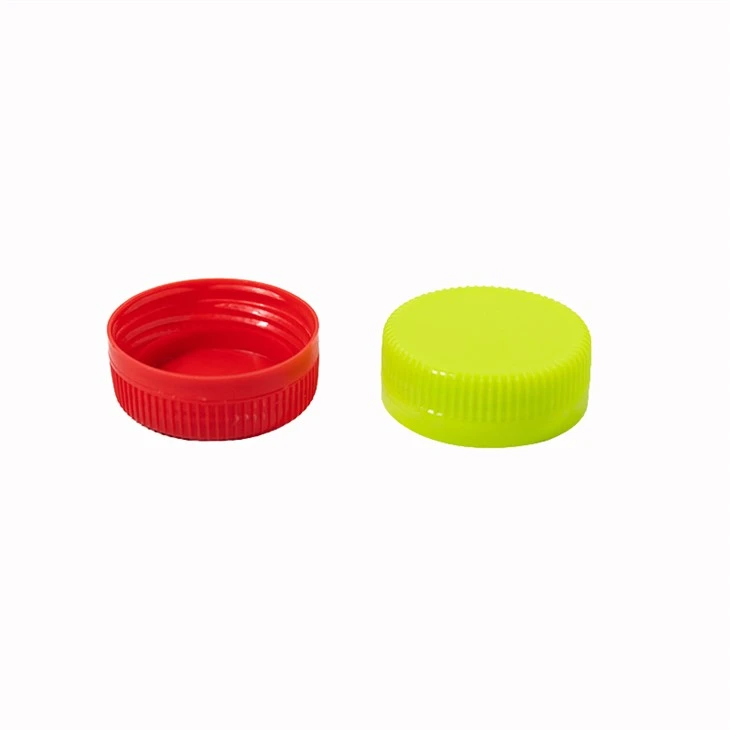
Before we discuss the lifespan of cap molds, it's essential to understand the different types of cap molds available. At our company, we offer a wide range of cap molds, including Water Bottle Cap Mold, Plastic Cap Mould, Plastic Cap Mold, Engine Oil Cap Mould, and Flip Top Cap Mold. Each type of mold is designed to produce specific types of caps, and the materials used, manufacturing processes, and design complexity can vary significantly.
Factors Affecting the Lifespan of a Cap Mold
The lifespan of a cap mold can vary widely depending on several factors. Here are some of the key factors that can influence how long a cap mold lasts:
1. Material Quality
The quality of the material used to manufacture the cap mold is one of the most critical factors affecting its lifespan. High-quality tool steels, such as P20, H13, and S7, are commonly used for cap molds due to their excellent hardness, toughness, and wear resistance. These steels can withstand the high pressures and temperatures involved in the injection molding process, reducing the risk of wear and damage over time. In contrast, lower-quality materials may wear out more quickly, leading to premature failure of the mold.
2. Design and Complexity
The design and complexity of the cap mold also play a significant role in its lifespan. Simple, straightforward mold designs are generally more durable and have a longer lifespan than complex designs with intricate features or undercuts. Complex molds require more precise machining and may be more susceptible to wear and damage during the molding process. Additionally, the number of cavities in the mold can also affect its lifespan. Molds with a higher number of cavities may experience more stress and wear, reducing their overall durability.
3. Molding Conditions
The molding conditions, including temperature, pressure, and cycle time, can have a significant impact on the lifespan of a cap mold. High temperatures and pressures can cause the mold to expand and contract, leading to thermal stress and potential damage over time. Additionally, long cycle times can increase the wear and tear on the mold, as the mold is exposed to the molten plastic for a more extended period. It's essential to optimize the molding conditions to ensure that the mold operates within its recommended parameters and minimize the risk of damage.
4. Maintenance and Care
Proper maintenance and care are crucial for extending the lifespan of a cap mold. Regular cleaning, lubrication, and inspection can help prevent the buildup of debris, corrosion, and wear on the mold surface. Additionally, it's essential to follow the manufacturer's recommendations for mold maintenance, including the use of appropriate cleaning agents and lubricants. Neglecting maintenance can lead to premature failure of the mold and increase the risk of production downtime.
5. Production Volume
The production volume is another important factor that can affect the lifespan of a cap mold. Molds that are used for high-volume production will experience more wear and tear than molds used for low-volume production. As the number of molding cycles increases, the mold surface will gradually wear down, leading to a decrease in the quality of the caps produced and potentially causing the mold to fail. It's important to consider the expected production volume when selecting a cap mold to ensure that it can withstand the demands of your production process.
Typical Lifespan of Cap Molds
The lifespan of a cap mold can vary significantly depending on the factors discussed above. In general, a high-quality cap mold made from premium materials and properly maintained can last anywhere from 500,000 to 1,000,000 molding cycles. However, this is just a rough estimate, and the actual lifespan of the mold may be longer or shorter depending on the specific application and operating conditions.
For example, a simple Water Bottle Cap Mold with a straightforward design and used for low-volume production may last longer than a complex Flip Top Cap Mold with multiple undercuts and used for high-volume production. Additionally, molds that are exposed to harsh molding conditions or not properly maintained may experience premature failure and have a shorter lifespan.
Extending the Lifespan of Your Cap Mold
While the lifespan of a cap mold is influenced by several factors, there are several steps you can take to extend its lifespan and maximize its performance. Here are some tips to help you get the most out of your cap mold:
1. Choose High-Quality Materials
Investing in a high-quality cap mold made from premium materials is one of the best ways to ensure its long-term durability. Work with a reputable mold supplier like us to select the appropriate material for your specific application and requirements. Our team of experts can help you choose the right steel grade and provide recommendations for optimizing the mold design.
2. Optimize Molding Conditions
Properly optimizing the molding conditions is essential for minimizing the wear and tear on the cap mold. Work with your injection molding machine operator to ensure that the temperature, pressure, and cycle time are set within the recommended parameters for the mold. Additionally, consider using a mold temperature controller to maintain a consistent temperature throughout the molding process, reducing the risk of thermal stress and damage.
3. Implement a Regular Maintenance Schedule
Establishing a regular maintenance schedule is crucial for keeping your cap mold in good condition and preventing premature failure. Develop a maintenance plan that includes regular cleaning, lubrication, and inspection of the mold. Follow the manufacturer's recommendations for maintenance procedures and use only approved cleaning agents and lubricants.
4. Train Your Staff
Proper training of your staff is essential for ensuring that the cap mold is used and maintained correctly. Provide your injection molding machine operators with comprehensive training on the proper operation of the equipment and the specific requirements of the cap mold. Additionally, train your maintenance staff on the proper cleaning, lubrication, and inspection procedures for the mold.
5. Consider Mold Modifications
In some cases, it may be possible to extend the lifespan of a cap mold by making minor modifications to the design or the molding process. For example, adding a surface treatment or coating to the mold can improve its wear resistance and reduce the risk of corrosion. Work with your mold supplier to explore the potential for mold modifications and determine if they are a cost-effective solution for your application.
Conclusion
In conclusion, the lifespan of a cap mold can vary widely depending on several factors, including material quality, design and complexity, molding conditions, maintenance and care, and production volume. By understanding these factors and taking the appropriate steps to extend the lifespan of your cap mold, you can reduce production costs, improve efficiency, and ensure the long-term success of your business.
As a leading cap mold supplier, we are committed to providing our customers with high-quality cap molds that are designed to last. Our team of experts has extensive experience in the design and manufacturing of cap molds, and we use the latest technology and techniques to ensure that our molds meet the highest standards of quality and performance. If you are interested in learning more about our cap molds or would like to discuss your specific requirements, please contact us today. We look forward to working with you to find the perfect cap mold solution for your business.
References
- "Injection Molding Handbook" by O. Olsson, T. Altan, and C. Brebbia
- "Tool and Manufacturing Engineers Handbook" by Society of Manufacturing Engineers
- "Plastic Injection Molding Technology" by R. Guminski