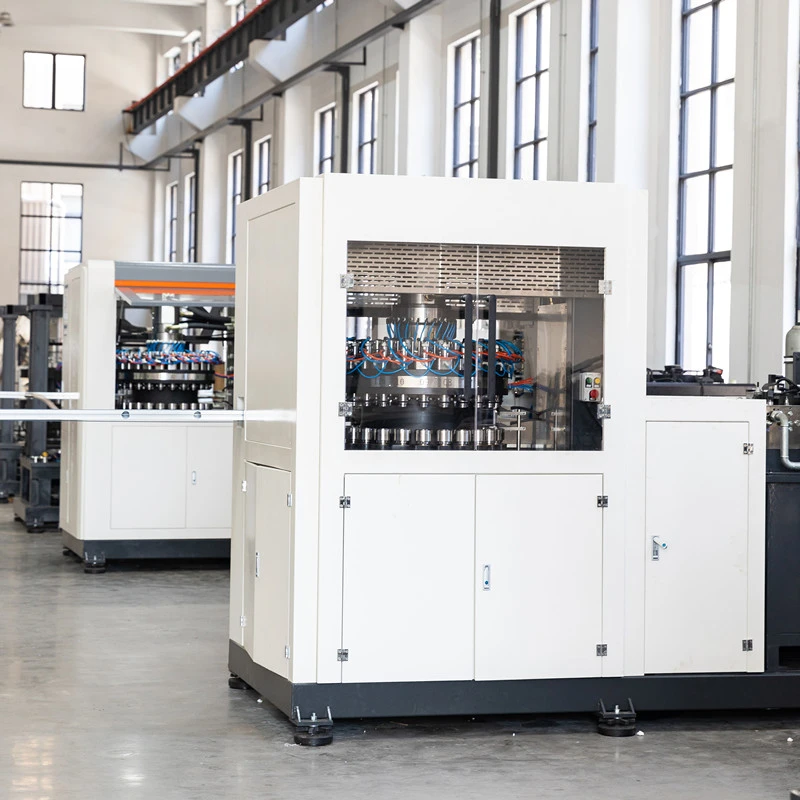

1. Food and Beverage Industry: For the packaging of liquid products such as fruit juice, beer, and condiments, capping machines must meet high-speed and aseptic requirements. For instance, equipment designed by a manufacturer for aseptic filling lines utilizes steam barrier technology to instantly sterilize the bottle cap and mouth at high temperatures, thereby ensuring product shelf life.
2. Pharmaceutical Industry: Pharmaceutical packaging demands exceptional sealing integrity, and capping machines must be GMP-certified. Some units employ non-contact capping technology to prevent direct contact between metal components and the medication, while also featuring torque control to ensure caps are neither too tight nor too loose.
3. Personal Care and Household Products Industry: Products such as shampoos and skincare items feature diverse cap designs; consequently, capping machines must accommodate various types, including irregularly shaped caps and screw caps. A manufacturer developed modular capping heads that can be quickly swapped to match different cap styles, reducing changeover time from two hours to just 15 minutes.
4. Specialized Applications: In high-risk sectors like chemicals and pesticides, capping machines require explosion-proof and corrosion-resistant capabilities. For example, an all-stainless-steel capping machine designed for a pesticide production line employs a sealed structure to prevent liquid leakage and is equipped with an explosion-proof motor to ensure operational safety.