


Hey there! As a supplier of plastic bottle molds, I often get asked about which plastic resins are suitable for these molds. It's a crucial question, as the right resin can make a huge difference in the quality and performance of the plastic bottles. So, let's dive right in and explore some of the top plastic resins for plastic bottle molds.
Polyethylene Terephthalate (PET)
PET is hands - down one of the most popular resins for plastic bottle molds. You see it everywhere, from water bottles to soda bottles. One of the main reasons for its popularity is its excellent clarity. When you use a PET resin in your mold, you can create bottles that look super clear and professional, which is great for showing off the product inside.
It's also lightweight but strong. This means that the bottles made from PET can withstand normal handling and transportation without breaking easily. Plus, PET is recyclable, which is a huge plus in today's environmentally - conscious world.
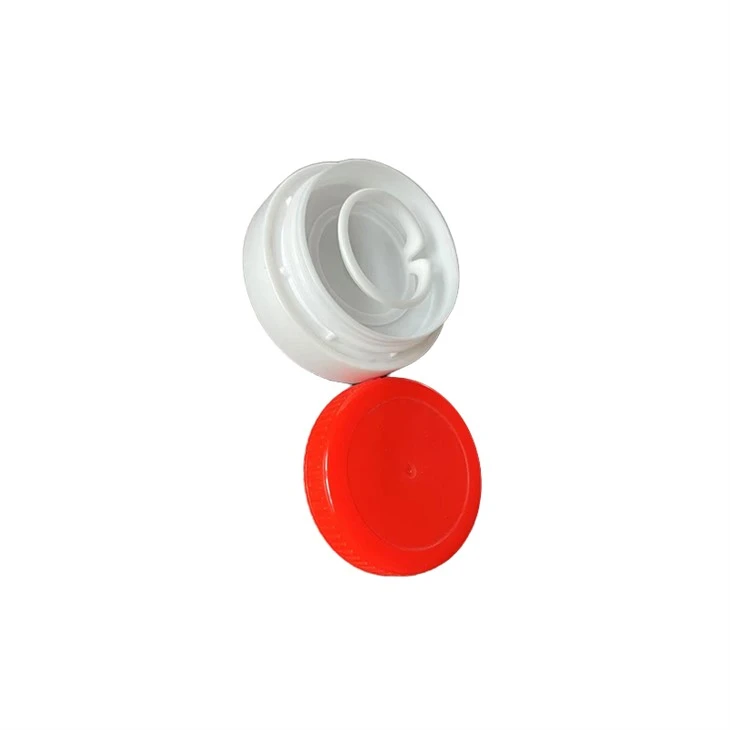
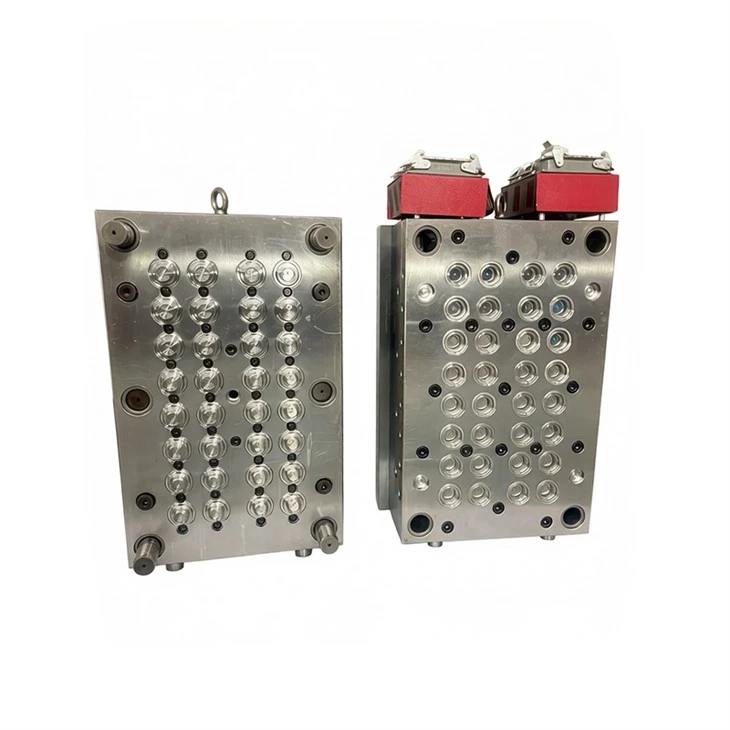
If you're in the business of making mineral water bottles, Mineral Water Bottle Cap Mould paired with PET resin is a great combination. The resin's ability to form a tight - fitting seal with the cap ensures that the water stays fresh and doesn't leak.
For carbonated beverages, Carbonated Beverage Preform Mold works well with PET. PET can handle the pressure from the carbonation inside the bottle, keeping the fizz where it belongs.
High - Density Polyethylene (HDPE)
HDPE is another resin that we often recommend. It's known for its high strength and durability. If you're making bottles for products like shampoo, laundry detergent, or even some chemicals, HDPE is a solid choice.
It has good chemical resistance, which means that the bottle won't react with the contents inside. This is especially important for products that might be corrosive. HDPE is also relatively easy to process in a plastic bottle mold. It flows well during the molding process, which can lead to a smooth and consistent finish on the bottles.
If you're looking to make engine oil bottles, Engine Oil Bottle Mould with HDPE resin is a match made in heaven. The resin's strength and chemical resistance ensure that it can safely contain the engine oil without any issues.
Polypropylene (PP)
PP is a resin that offers a good balance of properties. It has a relatively high melting point, which makes it suitable for products that might need to withstand some heat. For example, if you're making bottles for hot - filled products like sauces or syrups, PP is a good option.
It's also flexible, which can be an advantage depending on the type of bottle you're making. You can create bottles that are easy to squeeze, like those used for ketchup or mustard. PP is also resistant to fatigue, meaning that it can be squeezed and bent multiple times without cracking.
Polyvinyl Chloride (PVC)
PVC is a versatile resin that has been used in plastic bottle manufacturing for a long time. It has good clarity, similar to PET, and can be made into rigid or flexible bottles. PVC bottles are often used for products like cosmetics, pharmaceuticals, and some food products.
However, it's important to note that PVC has some environmental concerns associated with it. During the manufacturing and disposal processes, there can be the release of harmful chemicals. But with proper handling and recycling methods, it can still be a viable option for certain applications.
Low - Density Polyethylene (LDPE)
LDPE is a very flexible resin. It's commonly used for making squeeze bottles, like those for lotions or liquid soap. The flexibility of LDPE makes it easy to dispense the product inside the bottle.
It has good moisture resistance, which is important for products that need to be kept dry. LDPE is also relatively inexpensive, which can be a big factor if you're looking to keep production costs down.
When choosing a plastic resin for your plastic bottle mold, there are a few things you should consider. First, the properties of the resin need to match the requirements of the product that will be stored in the bottle. For example, if it's a food product, the resin needs to be food - grade. Second, think about the manufacturing process. Some resins are easier to process than others, and this can affect the efficiency and cost of production. Finally, consider the environmental impact. As more and more consumers are becoming environmentally aware, using recyclable or biodegradable resins can give your products an edge in the market.
As a plastic bottle mold supplier, I'm here to help you make the right choice. Whether you're looking for a mold for a specific type of bottle or need advice on which resin is best for your product, I'm just a message away. If you're interested in any of our molds, like the Mineral Water Bottle Cap Mould, Carbonated Beverage Preform Mold, Edible Oil PET Preform Mould, or Engine Oil Bottle Mould, don't hesitate to reach out. Let's work together to create high - quality plastic bottles that meet your needs.
References
- "Plastic Materials and Their Properties" by John A. Brydson
- "Handbook of Plastic Bottle Manufacturing"