


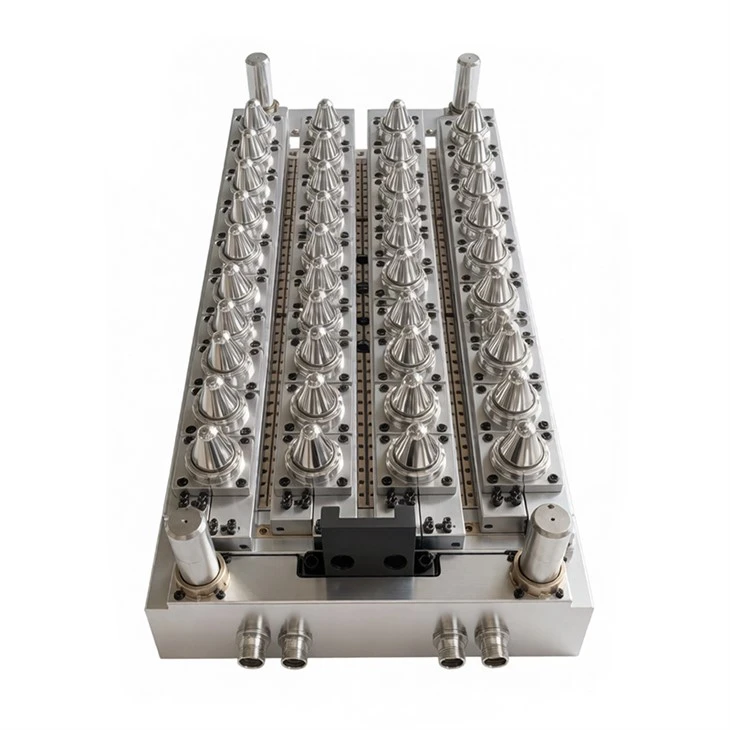
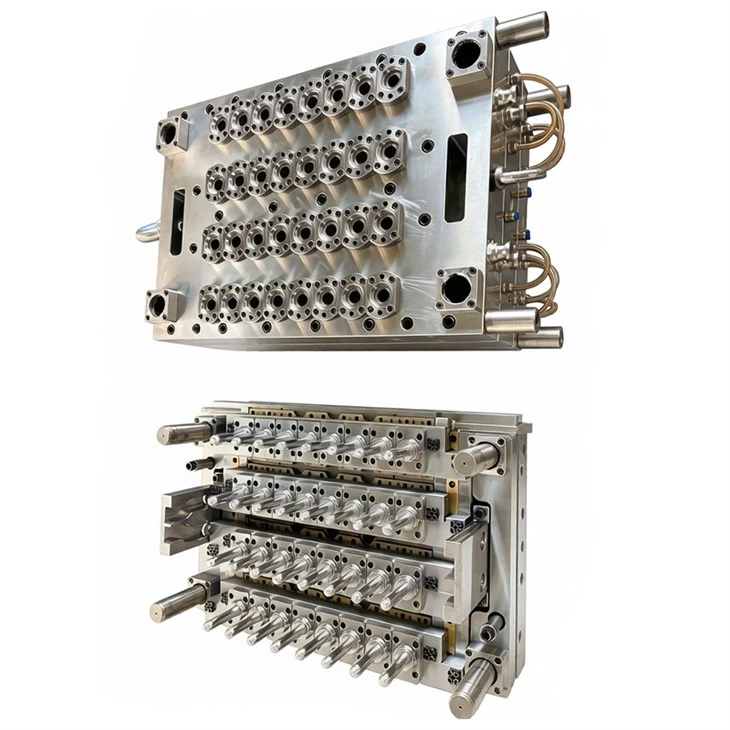
Hey there! As a supplier of Jar Preform Moulds, I know how crucial it is to ensure good sealing in these molds. A proper seal not only guarantees the quality of the preforms but also saves money in the long run by reducing waste and preventing potential issues down the line. In this blog post, I'll share some tips and tricks on how to achieve excellent sealing in your Jar Preform Mould.
Understanding the Basics of Sealing
First things first, let's talk about what causes a good seal. In a Jar Preform Mould, a seal is created when the molten plastic is injected into the mold cavity and then cooled and solidified. During this process, the plastic must fill the entire cavity and form a tight bond with the mold walls. Any gaps or inconsistencies in this bond can lead to leaks or poor-quality preforms.
Selecting the Right Materials
The choice of materials for your Jar Preform Mould plays a significant role in achieving a good seal. High - quality steel is often the go - to material for the mold itself. It offers excellent durability, heat resistance, and precision machining capabilities. For the plastic used to make the preforms, you need to select a resin that is compatible with the mold and has the right flow properties. For example, PET (Polyethylene Terephthalate) is a popular choice for jar preforms because it is strong, lightweight, and has good barrier properties.
Precision Machining
Precision is key when it comes to machining the Jar Preform Mould. The mold cavities need to be machined to extremely tight tolerances. Even the slightest deviation can affect the sealing performance. Modern machining techniques, such as CNC (Computer Numerical Control) machining, can ensure that the mold cavities are accurate and consistent. This precision allows the plastic to flow evenly into the mold and form a uniform seal around the edges.
Surface Finish
The surface finish of the mold also impacts the sealing. A smooth surface finish on the mold cavity helps the plastic flow more easily and form a better seal. Rough surfaces can cause the plastic to stick or create air pockets, which can lead to sealing problems. You can achieve a smooth surface finish through processes like polishing and electroplating. Chrome plating, for instance, not only provides a smooth surface but also offers corrosion resistance, which is important for the longevity of the mold.
Temperature Control
Proper temperature control is essential for ensuring a good seal in the Jar Preform Mould. The mold needs to be heated to the right temperature before the plastic is injected. This helps the plastic to flow freely and fill the cavity evenly. After injection, the mold should be cooled at a controlled rate. If the cooling is too fast, the plastic may shrink unevenly and cause cracks or gaps in the seal. On the other hand, if the cooling is too slow, it can lead to longer cycle times and reduced productivity.
Adequate Injection Pressure
The injection pressure also affects the sealing. When injecting the plastic into the mold, you need to apply enough pressure to ensure that the plastic fills all the corners and crevices of the cavity. However, too much pressure can cause the plastic to overflow or damage the mold. You need to find the right balance based on the size and design of the preform and the properties of the plastic.
Regular Maintenance
Regular maintenance of the Jar Preform Mould is crucial for maintaining good sealing performance. Over time, the mold can wear out, and the sealing surfaces can become damaged. You should regularly inspect the mold for signs of wear, such as scratches or dents. Clean the mold after each use to remove any plastic residues or contaminants that could affect the seal. Lubricate the moving parts of the mold to ensure smooth operation.
Quality Control Checks
In addition to regular maintenance, you should also conduct quality control checks on the preforms. Inspect the preforms for any visible signs of poor sealing, such as leaks or gaps. You can use techniques like pressure testing or visual inspection to ensure that the preforms meet the required standards. If you find any issues, you can adjust the molding process parameters accordingly.
Related Mould Products
If you're interested in other types of preform molds, we also offer a range of products. Check out our Bottle Preform Mold, Cosmetic Preform Injection Mold, Pharmaceutical PET Preform Injection Mold, and Mineral Water Bottle Preform Mould. These molds are designed with the same high - quality standards and precision to ensure excellent sealing.
Why Choose Us
As a Jar Preform Mould supplier, we have years of experience in the industry. We use the latest technology and materials to manufacture our molds. Our team of experts is always available to provide technical support and advice. Whether you're a small - scale manufacturer or a large corporation, we can customize the molds to meet your specific requirements.
If you're looking for high - quality Jar Preform Moulds that ensure excellent sealing, we're here to help. Contact us to start a discussion about your procurement needs. We're committed to providing you with the best solutions and top - notch customer service.
References
- "Plastic Injection Molding Handbook" by Dominik Dumitrana.
- Various trade magazines and industry reports on plastic preform molding.