


What is the production capacity of a medical test tube mould per day?
As a medical test tube mould supplier deeply entrenched in the industry, I often encounter inquiries from clients about the daily production capacity of medical test tube moulds. This is a crucial question, as it directly impacts the efficiency and profitability of medical test tube production lines. In this blog, I will delve into the factors that influence the production capacity of a medical test tube mould and provide a comprehensive analysis to help you understand this complex issue.
Factors Affecting the Production Capacity of Medical Test Tube Moulds
1. Mould Design and Cavity Number
The design of the medical test tube mould is a fundamental factor in determining its production capacity. The number of cavities in a mould is a key parameter. A cavity is essentially a space within the mould where a single test tube is formed during the injection - molding process. For example, a mould with 64 cavities can produce 64 test tubes in one injection cycle, while a 32 - cavity mould will produce only 32 test tubes per cycle.
Advanced mould designs often incorporate a higher number of cavities to increase production volume. However, increasing the number of cavities also presents challenges. It requires more precise engineering to ensure uniform filling of each cavity, proper cooling, and ejection of the test tubes. If the design is not optimized, it can lead to defects in the test tubes such as uneven wall thickness or incomplete filling.
2. Injection Molding Machine Specifications
The injection molding machine used in conjunction with the medical test tube mould plays a vital role in production capacity. The machine's clamping force, injection volume, and injection speed are critical factors.
A machine with a higher clamping force can handle larger and more complex moulds with more cavities. The injection volume determines how much molten plastic can be injected into the mould in one cycle. If the injection volume is insufficient, it may not fill all the cavities in a multi - cavity mould, reducing the production output.
The injection speed also affects the cycle time. A faster injection speed can shorten the time it takes to fill the mould, thereby increasing the number of cycles per day. For instance, if a machine can complete an injection cycle in 10 seconds instead of 15 seconds, it can potentially increase the daily production by a significant margin.
3. Material Properties
The type of plastic material used for manufacturing medical test tubes can impact the production capacity. Different plastics have different melting points, flow characteristics, and cooling requirements.
For example, polypropylene is a commonly used material for medical test tubes due to its good chemical resistance and low cost. It has relatively good flow properties, which allows for faster filling of the mould cavities. On the other hand, some high - performance plastics may have higher melting points and slower flow rates, requiring longer injection and cooling times.
The cooling process is particularly important. After the plastic is injected into the mould, it needs to cool and solidify before the test tube can be ejected. Materials with faster cooling times can reduce the overall cycle time, increasing the daily production capacity.
4. Operator Skill and Experience
The skill and experience of the machine operators also have a significant influence on the production capacity. A well - trained operator can optimize the machine settings, troubleshoot issues quickly, and ensure smooth operation of the injection molding process.
For example, an experienced operator can adjust the injection pressure, temperature, and speed based on the specific requirements of the mould and the material. They can also detect and address problems such as blockages in the mould or improper ejection, minimizing downtime and maximizing production.
Calculating the Daily Production Capacity
To calculate the daily production capacity of a medical test tube mould, we need to consider the cycle time and the number of cavities in the mould.
The cycle time is the time it takes to complete one full injection - molding cycle, including injection, cooling, and ejection of the test tubes. Let's assume that the cycle time for a particular medical test tube mould is 20 seconds, and the mould has 48 cavities.
First, we calculate the number of cycles per hour. There are 3600 seconds in an hour, so the number of cycles per hour is 3600 / 20 = 180 cycles.
Then, we multiply the number of cycles per hour by the number of cavities in the mould. So, the number of test tubes produced per hour is 180 * 48 = 8640 test tubes.
Assuming a 24 - hour production day, the daily production capacity is 8640 * 24 = 207360 test tubes.
However, in real - world scenarios, there are always factors that can reduce the actual production capacity. These include machine maintenance, tool changes, and production stoppages due to quality control issues. A more conservative estimate would factor in a downtime of around 10 - 20% to account for these factors.
The Role of High - Quality Moulds in Maximizing Production Capacity
Investing in high - quality medical test tube moulds is essential for maximizing production capacity. High - quality moulds are made from premium materials that can withstand high temperatures and pressures during the injection - molding process, ensuring a longer lifespan and fewer breakdowns.
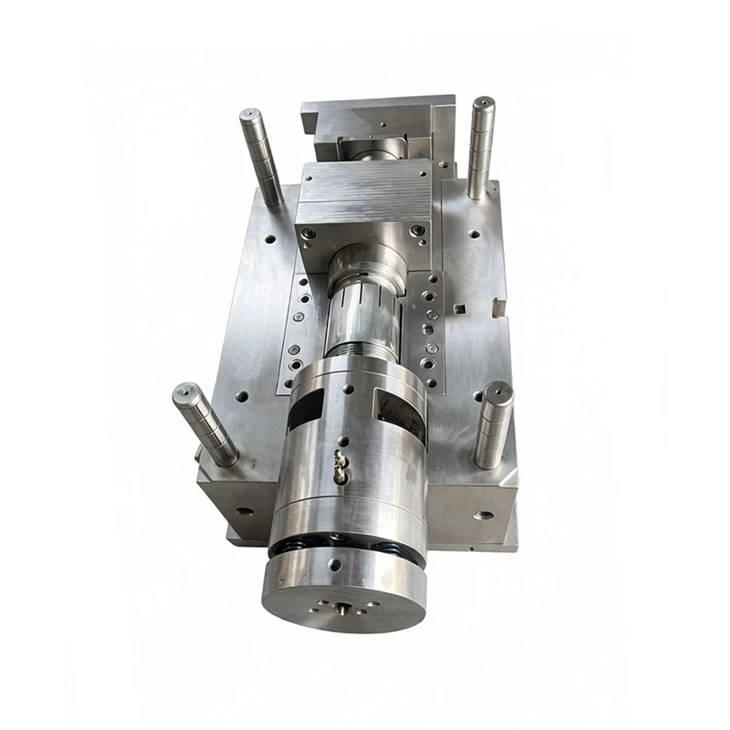
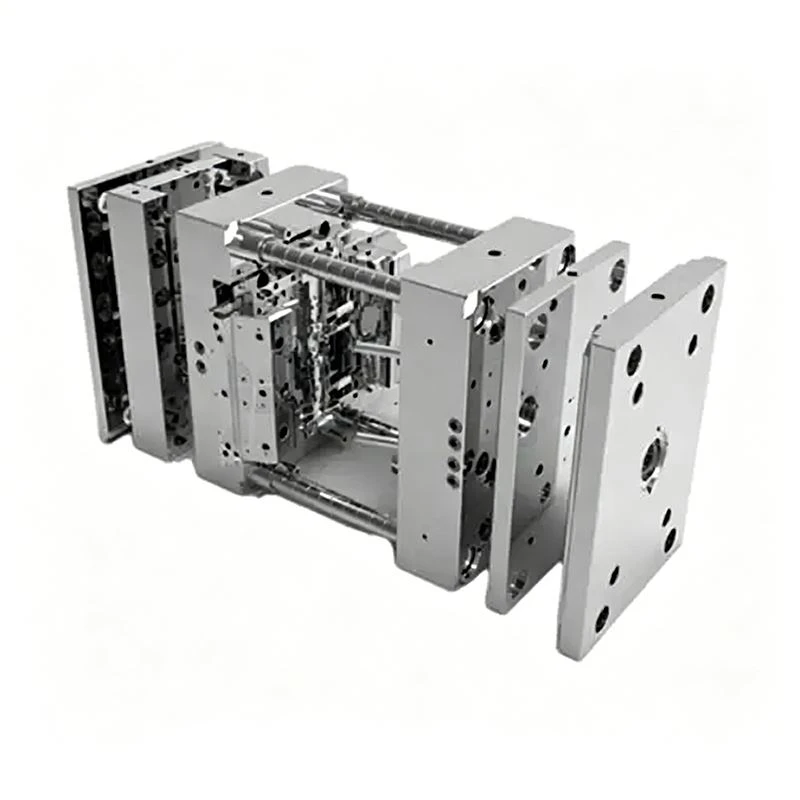
They are also precision - engineered to have consistent cavity dimensions and smooth surfaces, which allows for better plastic flow and uniform test tube quality. This reduces the number of defective products and the need for rework, increasing the overall production efficiency.
As a medical test tube mould supplier, we at [Our Company] are committed to providing high - quality moulds that are designed to meet the specific needs of our clients. We use advanced manufacturing techniques and the latest materials to ensure that our moulds offer optimal performance and production capacity.
Related Mould Products
In addition to medical test tube moulds, we also offer a wide range of other medical mould products. You can explore our Medical Mould which are designed for various medical applications. Our Liquid Silicone Rubber Mould is suitable for producing liquid silicone rubber products with high precision. If you are in need of moulds for petri dishes, our Petri Dish Mould is a great option. We also provide Disposable Medical Consumables Mould for the production of disposable medical items. And for all your medical mold needs, our Medical Mold products are of the highest quality.
Conclusion and Invitation for Contact
Understanding the production capacity of a medical test tube mould per day is essential for medical test tube manufacturers looking to optimize their production processes. By considering factors such as mould design, injection molding machine specifications, material properties, and operator skill, you can make informed decisions to increase your production output.
If you are in the market for high - quality medical test tube moulds or have any questions about production capacity, we invite you to contact us for more information. Our team of experts is ready to assist you in finding the right solutions for your production needs. We can provide customized mould designs, technical support, and guidance on maximizing your production capacity.
References
- [1] "Injection Molding Handbook" by O. Olbach, which provides in - depth knowledge about injection molding processes and mould design.
- [2] "Plastics Processing Technology" articles in industry - specific journals, which discuss the latest trends in plastic material selection and processing for medical applications.